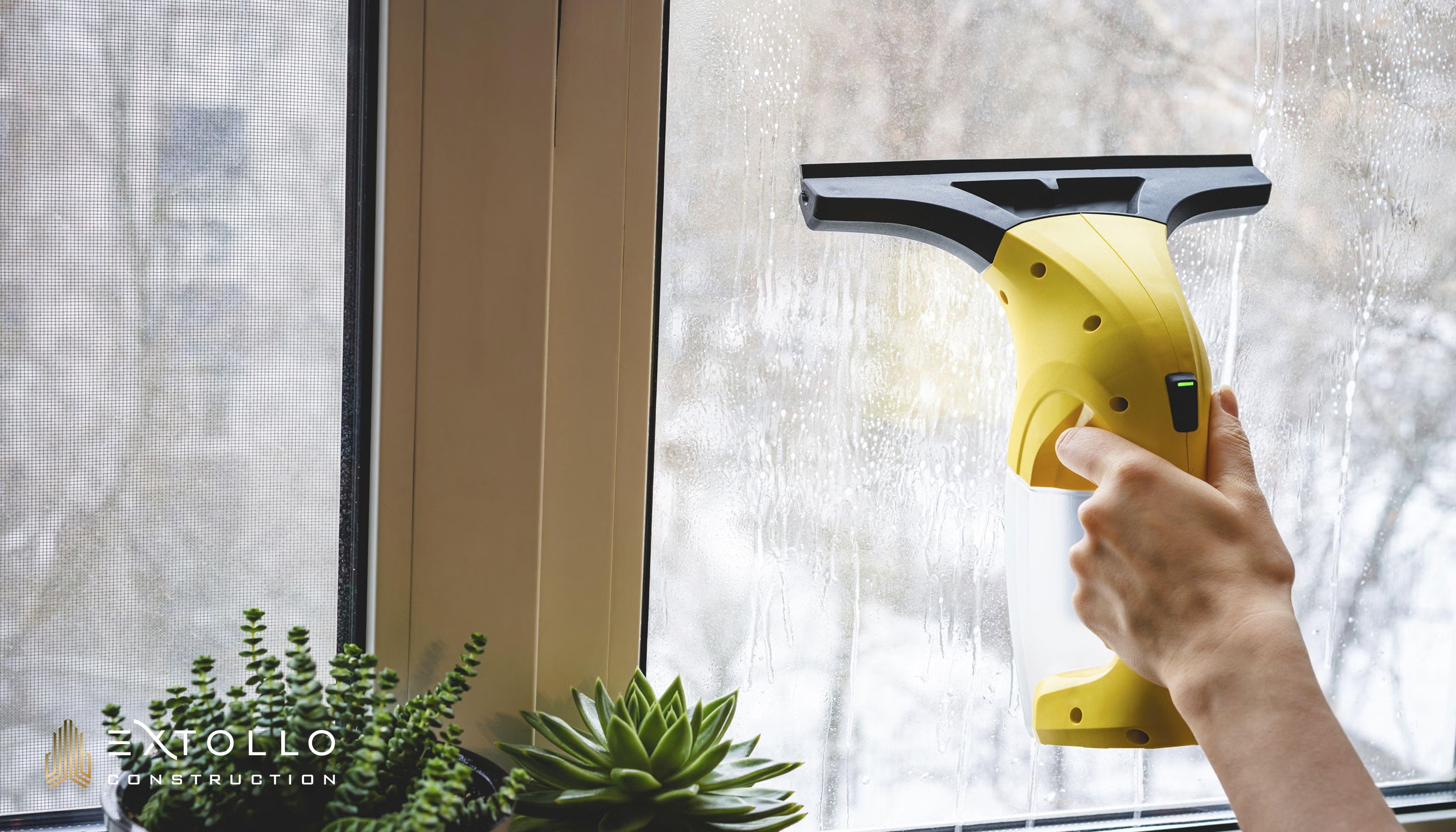
Window Condensation: Causes, Prevention and Solutions for Fall and Winter
Grasping the mechanics of moisture accumulation on glass panes proves crucial when temperatures begin their seasonal decline. This detailed resource from Extollo Construction clarifies the mechanisms behind water droplet formation on glazed surfaces, the reasons for their appearance, and practical approaches to prevention. Strategic weatherproofing measures combined with intelligent insulation methodologies enable property owners to eradicate dampness challenges throughout colder months, safeguarding both glazing and interior environments from potential harm.
Understanding Window Condensation
What Causes Window Condensation
Droplet formation emerges when heated indoor atmosphere encounters chilled glazing materials. Atmospheric water vapor transforms into observable liquid upon surface contact. The thermal gradient separating warmed living areas from freezing outdoor climates establishes optimal conditions for this physical reaction. Inadequate protective barriers or improperly sealed frigid panes encourage disproportionate liquid accumulation during winter periods. Comprehending what causes window condensation empowers residents to tackle the underlying source of difficulties efficiently.
Why Condensation on Windows
Indoor atmospheric moisture striking cold glazed materials produces liquid beads immediately. When insufficient thermal protection permits substantial energy dissipation, glass temperatures plunge dramatically. Heat-conducting pathways transmit cold directly through structural elements, especially metallic parts, additionally decreasing surface warmth. Numerous property owners question why condensation on windows manifests more regularly during particular seasonal periods.
Typical Moisture-Generating Factors:
Inadequate air exchange mechanisms retain humidity within residential environments.
Deficient thermal safeguards generate severe temperature variations.
Metallic framework components transfer cold with high efficiency.
Cyclical temperature shifts amplify moisture occurrence.
Deficient air circulation captures humidity within residences, blocking natural vapor release. Concurrently, seasonal climate variations throughout autumn and initial winter dramatically heighten dampness vulnerability as heating apparatus activates while external temperatures decline precipitously.
Is Window Condensation Normal
Minor dampness manifesting during exceptionally frigid mornings constitutes typical performance for most glazing units. Nevertheless, excessive liquid droplets unmistakably signal fundamental issues demanding consideration. Recurring interior glass dampness implies insufficient thermal safeguards or inadequate air circulation throughout your residence. Property owners frequently inquire is window condensation normal? and the response hinges on quantity and recurrence of manifestation. Continuous wetness necessitates prompt action to forestall fungal development, timber deterioration, and framework degradation across time.
Does Humidity Cause Condensation
Elevated interior moisture concentrations substantially amplify liquid droplet vulnerability on chilled glazing materials. Routine household operations produce considerable humidity—preparing meals, bathing, and laundering garments all discharge water vapor into indoor atmosphere. Insufficient air movement captures moisture internally instead of expelling it externally. The inquiry does humidity cause condensation receives an unambiguous response: affirmative, heightened indoor vapor concentrations represent a fundamental contributor. Winter humidity paired with freezing cold panes unavoidably generates ongoing difficulties throughout the season.
Thermal Bridging and Window Performance
What Is Thermal Bridging Windows
Energy corridors establish cold transmission from exterior surroundings through framework materials into interior zones. Metallic frames demonstrate particular complications, efficiently channeling temperature fluctuations throughout their composition. Deficient frame architecture permits unrestricted cold passage, which considerably diminishes thermal effectiveness. Extollo Construction confronts these energy loss corridors through calculated material specification and progressive installation methodologies.
Thermal Bridging Solutions
Executing thermal bridging solutions commences with advancing current units to thermally interrupted frames incorporating protective material obstacles within frame construction. Deploy films that redirect interior warmth back into living environments. Calculated application of coverings effectively diminishes nighttime energy dissipation through glazed surfaces. Introduce interior panels throughout extreme cold intervals. Substitute obsolete single-glazed units with contemporary double-glazed assemblies showcasing progressive thermal performance attributes.
Thermal Performance Window Improvement
Contemporary protected frames incorporate thermal interruptions that considerably diminish energy dissipation through frame constituents. Low-emissivity glass treatments redirect interior warmth back into chambers while permitting solar acquisition during illuminated hours.
Primary Performance Attributes:
Argon gas infills separating panes enhance protective capabilities.
Multiple glazing strata capture air voids.
Warm-edge separation components minimize energy transfer at glass peripheries.
Progressive sealant compounds prevent air penetration.
Argon gas infill separating panes dramatically elevates overall effectiveness compared to conventional air-filled units. Additionally, correct installation by qualified technicians eliminates air seepage around frameworks, maximizing thermal performance throughout the assembly.
Weatherproofing Windows
How to Weatherproof Windows
Address air breaches surrounding frameworks utilizing superior caulk engineered for exterior deployments. Implement weatherstripping to seal separations between mobile constituents and frameworks. Deploy exterior flashing preventing liquid entry through wall junctions. Extollo Construction advocates maintaining caulk integrity by substituting materials when degraded or fractured. Understanding how to weatherproof windows appropriately guarantees maximum defense against drafts and moisture penetration. Consistently confirm panes secure firmly without perceptible drafts before winter commences.
Window Weatherstripping Application
Deploy foam or rubber weatherstripping surrounding frameworks where mobile constituents encounter stationary surfaces. Apply materials to all perimeters where air penetration can transpire, devoting particular focus to corners and junction rails.
Guarantee weatherstripping strips compress appropriately when panes secure completely, establishing effective air obstacles. Substitute deteriorated stripping yearly before heating season initiates. Following deployment, confirm no separations persist by conducting straightforward visual examinations or utilizing incense smoke evaluations to detect air displacement.
Caulking Windows Exterior
Utilize exterior-rated caulk specifically formulated for outdoor exposure when sealing assemblies. Deploy caulk to all exterior joints where dissimilar materials converge around perimeters. Preserve proper bead dimensions and configuration preventing liquid penetration while accommodating necessary material displacement. Reapply caulk immediately when observable cracks or separations manifest during seasonal examinations. Examine caulking seasonally, particularly following extreme weather occurrences.
Window Insulation Strategies
How to Insulate Windows
Deploy interior films that significantly diminish energy dissipation through glass surfaces while preserving visibility. Implement cellular shades engineered to capture air strata between fabric and glazing. Utilize exterior storm units that contribute substantial layers over current assemblies. Advance to high-performance units featuring progressive technologies when replacement becomes essential. Mastering how to insulate windows effectively can dramatically reduce energy expenditures while enhancing comfort. Address all air seepage surrounding frames utilizing appropriate caulking and weatherstripping materials.
Window Insulation Films
Transparent films effectively diminish energy dissipation through glazing without compromising natural illumination transmission. Deploy films directly to interior surfaces adhering to manufacturer guidance meticulously. The film establishes an air stratum between the plastic and glass surface. This supplementary obstacle diminishes moisture formation through enhanced thermal performance. Both temporary shrink-film and permanent adhesive alternatives remain accessible for different deployments.
Window Covering Insulation
Cellular shades capture air within honeycomb-structured compartments, delivering excellent defense against energy dissipation. Thermal-lined draperies diminish nighttime energy loss substantially when secured during cold evenings.
Effective Covering Strategies:
Honeycomb shades offer the highest protective values among coverings.
Thermal draperies with sealed lateral channels prevent convective energy dissipation.
Roman shades with liners deliver aesthetics and functionality.
Automated controls guarantee consistent operation during optimal intervals.
Honeycomb shades persist as the most effective alternative among standard treatments. Secure coverings at night during cold seasons to maximize energy conservation. Conversely, open them during sunny intervals, capturing beneficial solar heat acquisition to warm interior spaces naturally.
Condensation Prevention
How to Stop Window Condensation
Diminish interior humidity through calculated ventilation, permitting moisture-saturated air to discharge outdoors regularly. Enhance thermal obstacles, diminishing cold glass surface temperatures that initiate water droplet formation. Augment air circulation surrounding panes, eliminating moisture-saturated air before water vapor transforms on glazing. Extollo Construction counsels maintaining consistent interior temperatures, avoiding dramatic variations that promote moisture accumulation. For homeowners pursuing how to stop window condensation, amalgamating multiple strategies produces the optimal outcomes. Dehumidify spaces experiencing excessive accumulation utilizing mechanical dehumidification apparatus.
Window Condensation Prevention
Access panes briefly daily when weather circumstances permit, enabling accumulated humidity to discharge naturally. Utilize exhaust mechanisms during cooking and bathing operations, immediately eliminating moisture at its origin. Preserve interior humidity spanning 30-50%, which represents the optimal spectrum for comfort and moisture regulation. Guarantee adequate attic ventilation, preventing trapped interior humidity from migrating upward. Effective window condensation prevention requires a comprehensive methodology addressing both humidity origins and thermal performance. Operate dehumidifiers if necessary when natural ventilation proves inadequate for moisture regulation.
Interior Humidity Control
Utilize bathroom and kitchen exhaust mechanisms consistently during moisture-producing operations like bathing and cooking. Access panes occasionally, permitting fresh air entry that dilutes interior concentrations. Operate whole-house dehumidifiers if indoor moisture persists consistently elevated above recommended concentrations. Preserve relative humidity spanning 40-50%, which effectively prevents glass moisture while guaranteeing occupant comfort throughout winter months.
Window Ventilation Importance
Fresh air circulation continuously eliminates moisture-saturated air from interior spaces before water droplets transpire. Brief opening sessions prevent humidity accumulation without substantially compromising interior comfort or energy efficiency. Appropriate residential ventilation systems prevent moisture accumulation that generates dampness and potential fungal proliferation. Balance heating demands with moisture elimination requirements during cold weather operation. Calculated ventilation timing and duration manages interior concentrations effectively throughout the season.
Window Repair and Upgrade
How to Fix Leaking Windows
Identify the liquid entry origin first—distinguish between moisture accumulation and actual structural breaches requiring different resolutions. Address air breaches surrounding frameworks utilizing appropriate exterior-grade caulk materials. Substitute damaged weatherstripping that no longer delivers effective air obstacles against penetration. Restore or substitute damaged flashing if liquid enters through wall junctions. Comprehending how to fix leaking windows begins with proper diagnosis of whether you're confronting moisture or actual liquid penetration. Contemplate complete upgrades when damage proves extensive or restorations become uneconomical.
Distinguishing Condensation from Leaks
Moisture transpires on interior glass surfaces during cold weather regardless of precipitation. Liquid trickles down glazing without any observable exterior origin during these occurrences. Actual breaches produce liquid stains on surrounding walls or sills beyond the glass surface. Breaches typically transpire during rain or snowmelt occurrences, not merely during cold dry weather. Moisture meters assist identifying liquid origins conclusively when visual examination remains inconclusive.
When to Replace Windows
Single-pane units should be advanced to contemporary double-pane assemblies for enhanced energy efficiency and comfort. Deteriorated frameworks affecting structural integrity and thermal performance warrant complete substitution. Persistent drafts indicate deficient seals that may prove uneconomical to restore adequately. Moisture manifesting between panes indicates seal failure requiring glass unit or complete substitution. Contemporary replacements significantly enhance thermal performance, comfort, and property value.
Professional Solutions
When to Call Window Professional
Persistent moisture transpiring despite implementing prevention initiatives indicates complications requiring professional diagnosis. Observable fungal proliferation signals serious humidity complications demanding immediate expert consideration. Seal failure permitting moisture between double-pane glazing requires professional glass substitution services. Structural damage to frameworks threatens building envelope integrity and necessitates professional restoration. Thermal imaging assessment identifies hidden energy dissipation areas invisible during standard examinations.
Professional Window Assessment
Extollo Construction utilizes thermal imaging technology to identify specific energy dissipation areas throughout assemblies. Moisture detection apparatus accurately determines liquid origins, distinguishing accumulation from structural breaches. Professional evaluations determine whether restorations or complete upgrades better serve homeowner demands and budgets. Detailed cost projections compare restoration expenses against replacement benefits for informed decision-making. Additionally, comprehensive warranties on deployment work protect your investment and guarantee long-term performance satisfaction.