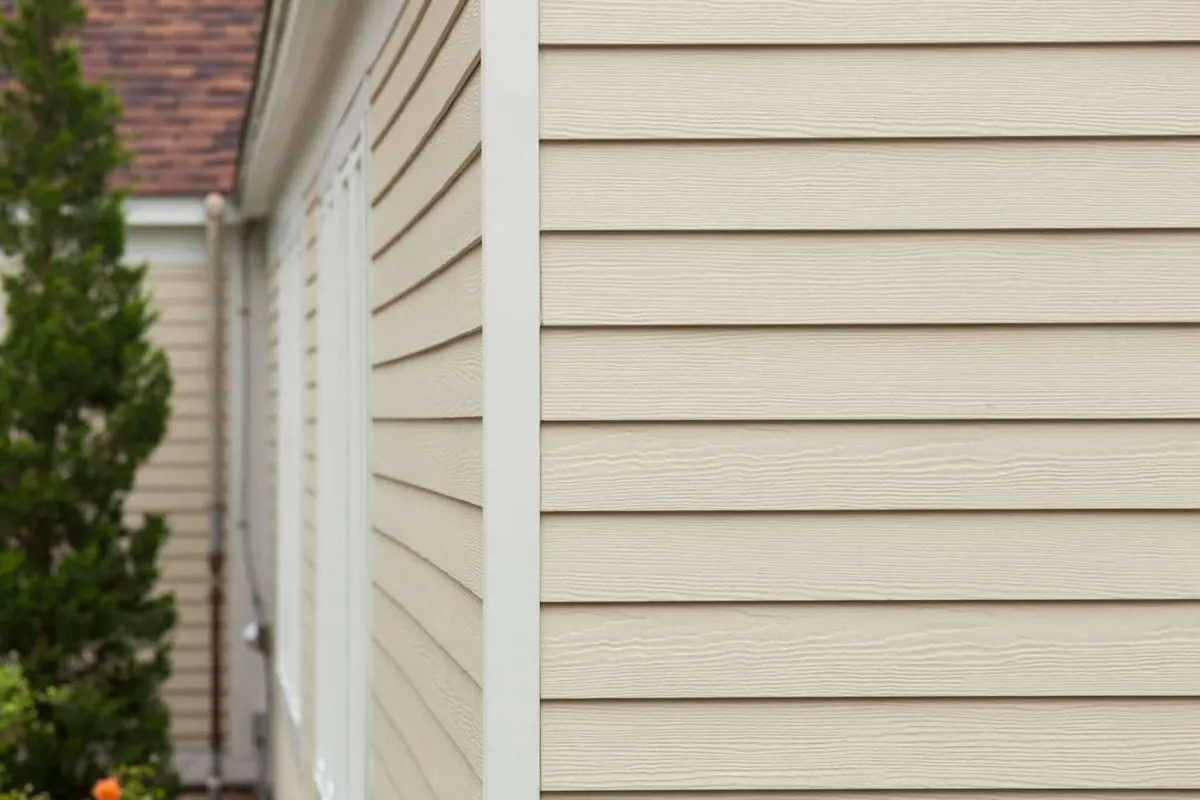
Vinyl Siding Guide: Installation, Maintenance, and Cost Information
Can you paint vinyl siding? How long does vinyl siding last? Property owners across the country wrestle with these questions before committing funds to their home's exterior envelope. This detailed resource from Extollo Construction addresses every aspect you should understand—from foundational material knowledge and budget calculations to proper setup methods, upkeep routines, and color transformation options. Whether you're embarking on a fresh project or refreshing aged cladding, the guidance below empowers you to make smart choices for your residence.
What Is Vinyl Siding?
Understanding Vinyl Siding Composition
What is vinyl siding at its core? This widely-used exterior cladding derives from polyvinyl chloride (PVC) resin blended with stabilizing agents, impact-resistant modifiers, and color pigments. Production facilities push these combined substances through precision-engineered dies, forming consistent pieces with uniform thickness and surface texture. The finished product weighs remarkably little yet stands up against moisture penetration and pest intrusion. Contemporary formulas incorporate UV-blocking compounds that preserve color vibrancy across years, establishing this as among the most dependable exterior finishing choices on the market.
Types and Styles of Vinyl Siding
Exterior PVC cladding arrives in diverse configurations suited to varied architectural preferences and individual tastes. Horizontal lap profiles remain the dominant selection, showcasing overlapping boards that generate appealing shadow patterns. Vertical board-and-batten arrangements deliver a distinctive agricultural charm, while shake and shingle textures mimic natural timber aesthetics minus the demanding upkeep.
Popular Siding Styles:
Horizontal Lap siding features traditional overlapping boards that create a classic, timeless look. This style works best for Colonial, Ranch, and Cape Cod homes, complementing their traditional architectural character.
Dutch Lap siding offers a beveled edge with a distinctive shadow line that adds depth and visual interest. It's an excellent choice for both traditional and transitional style homes, bridging classic and contemporary aesthetics.
Board and Batten consists of vertical pieces with raised strips covering the seams. This style is particularly well-suited for Farmhouse and Modern designs, adding vertical dimension and a clean, contemporary feel.
Shake/Shingle siding provides a textured wood-grain finish that replicates the appearance of natural wood shakes. It's ideal for Craftsman and Cottage style homes, enhancing their rustic, cozy character.
Scallop siding features decorative half-round edges that create an ornate, distinctive pattern. This style works beautifully on Victorian homes and as accent areas, adding architectural detail and visual charm.
Moreover, ornamental choices such as scalloped profiles serve beautifully as focal features on gable ends and dormer faces. Numerous property owners blend several styles together, generating visual depth and boosting street presence throughout their home's facade.
Benefits of Vinyl Siding for Your Home
This cladding category supplies outstanding value by combining rugged performance with minimal upkeep demands. Contrary to timber, it never requires scraping or refinishing, and it resists decay, distortion, and termite attraction. Beyond that, foam-backed varieties boost thermal efficiency by minimizing heat transfer through wall framing members. Pigment saturates throughout each component, rendering superficial scratches nearly undetectable. Given hundreds of available hues and contours, property owners can realize virtually any visual goal while benefiting from decades of trouble-free service.
How Much Does Vinyl Siding Cost?
Average Vinyl Siding Costs
Grasping how much is vinyl siding demands examining both material expenditures and workforce charges. Typically, material expenses land between $3 and $12 per square foot, fluctuating based on grade and profile selection. Entry-level grades occupy the lower spectrum, whereas premium foam-insulated selections command elevated pricing. Workforce fees generally contribute an additional $2 to $5 per square foot. Consequently, fully installed expenses span $5 to $17 per square foot for the majority of residential undertakings nationwide.
How Much Is a Box of Vinyl Siding?
When assembling your material budget, you'll want clarity on how much is a box of vinyl siding locally. Standard boxes encompass two squares (200 square feet) of coverage area and retail between $80 and $300, varying by grade and brand. Economy-tier products occupy the budget-friendly end, while architectural-grade and insulated varieties cost considerably more. Always secure 10-15% additional material to accommodate cutting waste, errors, and future patch needs. Your materials supplier can assist with precise quantity calculations derived from your home's dimensional survey.
How Much Is Vinyl Siding for a 1,500 Sq Ft House?
Establishing how much is vinyl siding for a 1,500 sq ft house necessitates computing actual exterior wall coverage rather than interior floor area. A standard residence of this size presents roughly 1,800 to 2,200 square feet of exterior wall surface. Material expenditures span $5,400 to $26,400 based on product tier. Incorporating professional workforce brings aggregate project expenses to $9,000 to $37,400. Most moderate-budget undertakings for dwellings this size conclude between $12,000 and $18,000 encompassing all materials, craftsmanship, and trim components.
How Much Does It Cost to Replace Vinyl Siding?
When assessing how much does it cost to replace vinyl siding, incorporate removal and hauling fees for existing materials. Replacement undertakings typically run 15-25% higher than fresh setups owing to this supplementary labor. Property owners should anticipate $7 to $20 per square foot for comprehensive replacement work. Nevertheless, meaningful savings emerge when underlying sheathing and weather barriers remain serviceable. A professional evaluation determines whether substrate corrections will inflate overall project expenditures.
Factors That Affect Vinyl Siding Costs
Numerous variables shape your ultimate project investment beyond fundamental material and workforce rates. Regional location influences both product availability and contractor pricing, while project intricacy adds duration and expense.
Key Cost Variables:
Product grade and gauge (standard, premium, or architectural)
Foam backing and thermal ratings
Hue selection (deeper tones frequently cost more)
Structure height and access challenges
Trim detailing around openings and penetrations
Removal and disposal of prior materials
Seasonal demand swings and contractor schedules
Partnering with a seasoned contractor helps you reconcile quality aspirations against financial limits while sidestepping unforeseen charges throughout your undertaking.
How to Install Vinyl Siding
Preparation and Planning
Mastering how to install vinyl siding commences with rigorous preparation and precise dimensional work. Initially, compute aggregate wall area minus window and door openings, then supplement 10-15% for waste allowance. Subsequently, examine existing substrate for deterioration, decay, or moisture complications demanding correction. Confirm adequate housewrap or weather barrier coverage before proceeding. Ultimately, assemble all requisite materials encompassing starter strips, J-channels, corner posts, and fastening hardware. At Extollo Construction, we stress that diligent planning averts mid-project interruptions and guarantees professional outcomes.
Step-by-Step Installation Process
The mounting sequence progresses logically from bottom to top. Commence by snapping a level reference line and securing the starter strip along the foundation perimeter. Next, anchor inside and outside corner posts, verifying plumb alignment and correct positioning. J-channels border all window openings, doorways, and wall terminations. Subsequently, engage the initial piece into the starter strip and drive fasteners through slot centers. Progress upward by stacking successive courses, preserving uniform overlap while permitting expansion clearance at all endpoints.
How to Cut Vinyl Siding
Understanding how to cut vinyl siding accurately prevents fractured edges and imprecise fits. Tin snips excel for brief crosscuts and notches surrounding obstacles. For expedited straight cuts, a circular saw fitted with a fine-tooth blade mounted in reverse yields pristine results. Aviation snips manage curved cuts around fixtures capably. Furthermore, a utility knife scores material for snap-breaking along straight paths. Always orient pieces face-up when using power tools and face-down when scoring. During frigid conditions, relocate materials indoors before cutting to avert brittleness.
Tools and Materials Required
Accomplished setup demands specific implements and sufficient supplies. Critical equipment encompasses a spirit level, chalk line, measuring tape, speed square, and snap-lock tool for engaging pieces together. You'll additionally require a hammer or pneumatic nailer, tin snips, aviation snips, and a circular saw. Supply needs include starter strips, J-channels, corner posts, utility trim, undersill trim, and adequate product quantities with matching accessories. Staging all implements and supplies on-site beforehand eliminates aggravating work stoppages.
Common Installation Mistakes to Avoid
Faulty mounting generates buckling, distortion, and early deterioration. Never seat fasteners flush against the material—maintain 1/32 clearance permitting expansion movement. Components fastened too snugly cannot expand under heat and will buckle or distort. Likewise, neglecting gaps at channel terminations forces material outward during thermal cycling. Always engage each piece completely into the component below before fastening. Lastly, never undertake work during extreme cold without permitting materials to temper, since brittle PVC fractures readily during manipulation.
How to Remove and Replace Vinyl Siding
How to Remove Vinyl Siding
Comprehending how to remove vinyl siding correctly shields neighboring components from harm. Initiate by sliding a zip tool (unlocking implement) beneath the lower edge of the piece positioned above your target zone. Guide the tool laterally to disengage the interlocking seam, then tug downward gently to separate. Once disengaged, extract fasteners or lever them cautiously without harming the underlying substrate. Progress methodically from top to bottom when extracting multiple sections. Safeguard removed components for potential reinstallation or pattern-matching purposes.
How to Replace Vinyl Siding
Perfecting how to replace vinyl siding facilitates rapid repairs after storm events or mishaps. Trim a replacement piece 2 longer than the compromised section ensuring adequate overlap at seams. Remove the fastening flange from the replacement piece's upper edge using snips. Distribute PVC adhesive or construction bonding agent along the top margin, then engage the lower edge into the piece beneath. Compress firmly to bond the upper edge, then employ the zip tool to re-engage the component overhead. This approach produces secure, weather-resistant repairs.
When to Replace Individual Panels vs Full Siding
Choosing between targeted repairs and comprehensive replacement hinges on damage scope and overall condition. Localized harm from impacts, punctures, or regional weathering typically warrants piece-by-piece replacement alone. Nevertheless, extensive deterioration merits broader evaluation.
Signs Full Replacement Makes Sense:
Color loss or discoloration spanning most of the dwelling
Numerous zones exhibiting fractures or brittleness
Challenges locating matching replacement components
Underlying moisture intrusion or fungal concerns
Material age surpassing 20-25 years
Thermal performance upgrades warranted
Extollo Construction delivers candid evaluations helping property owners identify the most economical path for their unique circumstances.
Can You Paint Vinyl Siding?
Can Vinyl Siding Be Painted?
Can vinyl siding be painted effectively? Absolutely—with appropriate preparation and suitable products, painting delivers attractive, enduring outcomes. Contemporary acrylic latex coatings adhere reliably to PVC surfaces when applied properly. Yet color choice carries significant weight—deeper shades capture additional heat and may trigger warping on standard-grade material. Manufacturers now market heat-reflective coating technologies that broaden color possibilities safely. Before painting, evaluate your current condition, since severely degraded material gains more from replacement than cosmetic enhancement.
Can You Paint Vinyl Siding on a House?
Can you paint vinyl siding on a house displaying wear? Painting presents a budget-conscious substitute for replacement when underlying material retains structural soundness. Prime candidates encompass dwellings with faded yet undamaged exteriors, owners desiring palette changes, and properties where sourcing matching replacement components proves impossible. Alternatively, painting proves inadvisable when material exhibits cracking, warping, or widespread damage. Can I paint vinyl siding without professional help? Although DIY remains feasible, professional application typically achieves superior bonding and extended durability.
How to Paint Vinyl Siding
Acquiring proficiency in how to paint vinyl siding requires meticulous preparation and sound technique. Initially, cleanse all surfaces employing a pressure washer or scrub brush with suitable cleaning agents. Permit complete drying across 24-48 hours. Subsequently, lightly abrade glossy zones to enhance coating grip. Distribute a bonding primer engineered for PVC substrates, then complete with dual coats of premium acrylic latex exterior coating. Operate within moderate temperatures spanning 50-85°F and steer clear of direct sunlight exposure. Observe proper curing intervals between applications for peak durability.
Best Paints and Products for Vinyl
Choosing fitting products ensures your coating effort performs admirably through the years. Opt for 100% acrylic latex exterior coatings expressly designed for PVC substrates. Sherwin-Williams VinylSafe, Benjamin Moore Regal Select, and Behr Marquee represent stellar choices featuring expanded palette selections. Lighter tones or those bearing vinyl-safe certification forestall heat-induced damage. Moreover, employing a primer specifically engineered for plastic substrates dramatically strengthens adhesion and service life. Premium brushes and rollers rated for exterior duty yield smoother application and expert-caliber outcomes.
Paint vs Replace: Which Is Right for You?
Contrasting painting expenses against replacement clarifies the superior investment. Professional painting typically ranges $1,500 to $4,000 for an average dwelling and endures 5-10 years. Replacement spans $9,000 to $20,000 yet delivers 20-40 years of performance. Painting proves financially sensible when material maintains structural integrity and you seek a near-term refresh. Replacement furnishes stronger long-range value when exteriors display pronounced wear, when thermal performance gains are sought, or when you anticipate remaining in your residence for extended periods.
How Long Does Vinyl Siding Last?
Expected Lifespan of Quality Vinyl Siding
How long does vinyl siding last under typical circumstances? Premium-grade material routinely furnishes 20-40 years of dependable performance, with top-tier products occasionally surpassing this window. Gauge substantially influences longevity—economy .040 options persist 15-20 years whereas premium .046 or .050 products weather 30-40 years or beyond. Foam-backed variants supply heightened resilience alongside improved thermal performance. Extollo Construction advocates investing in superior-grade materials, as this strategy yields returns through prolonged service duration and diminished upkeep demands across time.
Factors That Affect Vinyl Siding Durability
Numerous environmental and workmanship elements shape performance span. Concentrated UV bombardment in southern regions hastens fading and material degradation more rapidly than northern climates experience. Skilled craftsmanship proves equally pivotal—properly mounted exteriors accommodate thermal cycling without stress-related harm. Periodic cleaning eliminates mildew and particulates that erode surfaces progressively. Furthermore, premium products from established manufacturers incorporate superior UV stabilizers and impact-resistant compounds that meaningfully extend operational life.
Signs Your Vinyl Siding Needs Replacement
Identifying deterioration markers enables you to schedule replacement ahead of escalating complications. Pervasive fading unresponsive to cleaning signals UV breakdown within the material composition itself. Fracturing, particularly along margins and near fastening points, denotes brittleness stemming from age and solar exposure. Warped or protruding zones suggest thermal damage or deficient workmanship. Additionally, observable gaps admitting moisture demand immediate attention. Fungal proliferation behind exteriors or climbing energy expenses may signal compromised weather barriers requiring investigation.
Vinyl Siding Maintenance and Care
How to Clean Vinyl Siding
Grasping how to clean vinyl siding safeguards aesthetics and prolongs material longevity. For standard cleaning, combine one cup of oxygen-based bleach with one gallon of water. Distribute using a soft-bristle brush or low-pressure sprayer, progressing from bottom to top to forestall streak formation. Rinse comprehensively with fresh water moving top to bottom. For persistent mildew, strengthen bleach concentration or utilize commercial-grade cleaners. Cleanse annually at minimum, more regularly in humid zones or shaded exposures. Eschew aggressive abrasives or chemical solvents that compromise PVC surfaces.
Routine Maintenance Schedule
Cultivating consistent inspection practices identifies concerns early before they compound. Circumnavigate your dwelling each spring and autumn, examining for loosened components, compromised sections, or sealant failures. Scrutinize flashing surrounding windows and entries for adequate sealing. Remove foliage encroaching against exteriors that captures moisture and encourages mildew proliferation. Evaluate several components for firm attachment and correct locking engagement. Additionally, inspect utility penetrations and exhaust vents for openings necessitating sealant. Chronicle any observations for professional assessment during yearly maintenance appointments.
How to Repair Vinyl Siding
Knowing how to repair vinyl siding conserves funds on minor damage remediation. Modest punctures and fractures accept filling with color-coordinated caulk formulated for exterior PVC use. For substantial punctures, trim a patch from reserve matching material, cement it across the damage zone, and seal margins meticulously. Replace severely fractured or shattered sections completely utilizing the extraction and replacement methods outlined previously. Loosened components frequently require only re-engagement using a zip tool. Tackling minor damage swiftly prevents moisture penetration and costlier repairs downstream.
Preventing Common Vinyl Siding Problems
Forward-thinking maintenance minimizes future repair requirements and maximizes your material's operational span. Moisture control ranks as the paramount consideration—verify gutters discharge effectively and splash guards redirect water away from foundation walls.
Essential Prevention Measures:
Preserve 6 separation between exterior cladding and grade or landscaping mulch
Prune vegetation to eliminate contact with wall surfaces
Refresh sealant around openings, entries, and penetrations yearly
Position grills and thermal sources distant from exterior faces
Resolve pest activity before it compromises underlying substrates
Evacuate debris from J-channels and utility connections
Adhering to these protocols safeguards your investment and enables your exterior cladding to achieve peak performance throughout its designed operational window.
Professional Vinyl Siding Services
Why Choose Professional Installation
Expert craftsmanship yields superior results through accumulated experience, refined methods, and warranty safeguards. Accomplished contractors comprehend expansion tolerances, correct fastening protocols, and precision detailing around openings that block water penetration. Moreover, manufacturer warranties frequently mandate professional execution for coverage eligibility. Licensed contractors maintain insurance shielding you from liability exposure during the undertaking. Masterful workmanship forestalls callbacks and ensures your exterior functions as engineered across decades of service.
Free Estimate and Consultation
Your project launches with a thorough evaluation of your dwelling's particular needs. Throughout this consultation, veteran estimators dimension your property, appraise existing circumstances, and explore your objectives alongside budget parameters. You'll obtain itemized written proposals specifying material alternatives, technical details, and comprehensive pricing. This obligation-free procedure clarifies all accessible options and supports confident decision-making. Extollo Construction furnishes transparent estimates absent concealed fees or unexpected surcharges.
Our Vinyl Siding Installation Process
Our crew tackles every undertaking with dedication to superior craftsmanship and client contentment. The procedure commences with scrupulous site preparation, incorporating moisture barrier work and substrate corrections where warranted. Expert technicians execute all components per manufacturer guidelines and trade best practices. Rigorous quality reviews precede the concluding walkthrough alongside you. Thorough cleanup renders your property immaculate upon completion. Warranty provisions and attentive service sustain your investment for years following project conclusion.