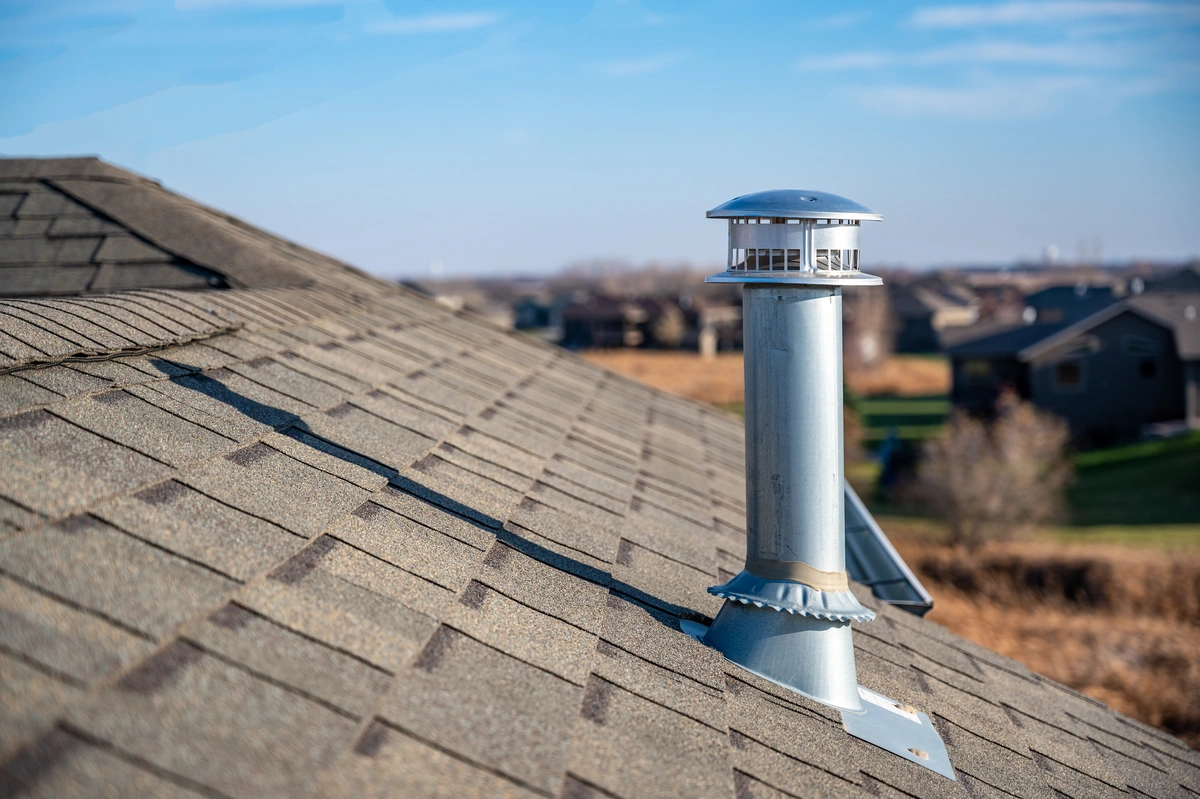
Roof Ventilation: Complete Guide to Proper Attic Airflow and System Selection
Your home's ability to breathe through its uppermost structure directly impacts everything from energy bills to structural longevity. This comprehensive resource from Extollo Construction addresses the essential questions homeowners face: what is roof ventilation, how to calculate roof ventilation specifications, and what is the best roof ventilation system suited to your particular circumstances. Whether constructing a new dwelling, upgrading an aging overhead structure, or diagnosing current performance issues, the following sections deliver actionable guidance.
What Is Roof Ventilation?
Understanding Roof Ventilation Systems
Strategic openings positioned throughout your overhead structure enable continuous air exchange within the uppermost enclosed space. This breathing mechanism steadily replaces stagnant, heated, or humidity-laden air with fresh exterior air. Such airflow shields structural components, decking, and thermal barriers from deterioration while sustaining comfortable temperatures in occupied areas below. Experienced contractors recognize this as a fundamental element within every overhead installation they complete.
How Does Roof Ventilation Work?
How does roof ventilation work on a practical level? Two natural phenomena drive the process: thermal convection and wind-induced pressure differentials. Solar energy warming the overhead surface causes heated air to ascend and escape through exhaust openings positioned near the peak. This ascending motion generates negative pressure, drawing cooler exterior air inward through intake points located along the eaves. Wind passing over the dwelling further amplifies this circulation pattern.
Intake vs Exhaust Ventilation
Achieving equilibrium demands both intake and exhaust elements functioning in tandem. Soffit openings mounted beneath the overhang serve as entry points, permitting fresh air to flow in at the lowest elevation of the enclosed space. Ridge outlets, static box units, or spinning turbine extractors situated near the highest point create exit pathways for ascending warm air. This coordinated design establishes uninterrupted airflow traveling from lower edges to the uppermost ridge.
Why Proper Roof Ventilation Matters
Sufficient air circulation delivers three substantial advantages for residential structures. Initially, it governs moisture levels by evacuating humid air before condensation compromises insulation, wooden framework, or overhead materials. Subsequently, it moderates temperature extremes, blocking severe heat accumulation that accelerates shingle degradation from beneath. Finally, it prolongs structural lifespan by preserving ideal conditions for all components. These collective benefits position adequate air circulation among the most economical home maintenance investments available.
Benefits of Proper Roof Ventilation
Extending Roof Lifespan
Trapped heat speeds shingle deterioration from the underside, triggering premature cracking, warping, and granule shedding. Throughout summer periods, inadequately aired spaces may exceed 150°F—essentially baking overhead materials from within. Sufficient air movement sustains cooler temperatures, enabling shingles to function as engineered throughout their anticipated service duration. Research indicates that homeowners maintaining well-circulated structures observe 15-25% extended material performance versus poorly aired buildings.
Preventing Moisture and Mold Issues
Warm, moisture-rich air generated by everyday activities—cooking, bathing, breathing—naturally migrates upward into enclosed overhead spaces. Without consistent air movement, this humidity condenses against cold surfaces when outdoor temperatures drop. Gradually, this accumulated moisture saturates thermal barriers, encourages fungal proliferation, and initiates timber decay within rafters and decking. Consequently, steady air circulation evacuates this humidity before it triggers expensive structural harm or jeopardizes household health.
Energy Efficiency and Cost Savings
Adequate air movement substantially decreases cooling expenses during warmer seasons. When upper space temperatures remain nearer to outdoor ambient readings, reduced thermal energy transfers through ceilings into inhabited areas. Your cooling equipment consequently operates less frequently with shorter run cycles, directly cutting energy consumption while extending mechanical system longevity.
Projected Energy Savings Through Optimized Air Circulation:
Insufficient Circulation creates the most problematic conditions, with summer upper space temperatures reaching 140-160°F. This results in cooling expenses that are elevated by 20-30% compared to baseline, while placing substantially heightened stress on HVAC equipment that must work harder to maintain comfortable temperatures.
Minimum Code Compliance represents the standard baseline for residential ventilation. Summer upper space temperatures typically range from 110-130°F, with cooling expenses at normal levels and moderate load placed on HVAC equipment. This meets building requirements but offers no additional efficiency benefits.
Optimally Balanced Configuration delivers significant improvements across all metrics. Summer upper space temperatures are maintained at a comfortable 90-110°F, resulting in cooling bills that are reduced by 10-15% compared to baseline standards. Additionally, the diminished load on HVAC equipment extends its lifespan and reduces maintenance needs, providing long-term cost savings beyond the immediate utility bill reductions.
Beyond direct utility reductions, effective air circulation safeguards your HVAC investment. Equipment running perpetually against extreme thermal loads experiences hastened deterioration, more frequent service calls, and compressed replacement timelines. Property owners addressing circulation deficiencies frequently discover their heating and cooling machinery performs more efficiently and endures longer.
Ice Dam Prevention in Winter
Ice dams develop when thermal energy escaping through inadequately circulated overhead structures melts accumulated snow on upper sections. This meltwater travels toward colder eave zones where it refreezes, forming ice barriers that obstruct subsequent snowmelt. Trapped water then migrates beneath shingles, causing interior leaks and associated damage. Effective air circulation maintains uniform surface temperatures, preventing the inconsistent melting patterns that initiate ice dam development initially.
How Much Roof Ventilation Do I Need?
How to Calculate Roof Ventilation Requirements
Mastering how to calculate roof ventilation begins with comprehending two fundamental ratios codified in building standards. The 1:150 ratio mandates one square foot of net free area per 150 square feet of floor space. However, achieving balanced intake and exhaust while incorporating a vapor barrier permits the 1:300 ratio—one square foot per 300 square feet of covered area. Industry professionals typically advocate the 1:150 standard whenever feasible for superior results.
How Much Ventilation Does a Roof Need?
Determining how much ventilation does a roof need requires measuring your enclosed floor area and applying the corresponding ratio formula. Consider a 2,400 square foot space using the 1:150 calculation—this demands 16 square feet of net free area (NFA). Net free area compensates for screens, louvers, and similar obstructions diminishing actual throughput via openings. Manufacturers publish NFA specifications for their products, enabling precise determination of unit quantities needed.
Balanced Ventilation: Intake and Exhaust Ratios
Establishing equilibrium means supplying roughly equivalent NFA at intake and exhaust locations. Industry conventions recommend allocating 50% of total capacity to soffit entries and 50% to ridge or peak outlets. Certain specialists advocate 60% intake versus 40% exhaust to guarantee sufficient fresh air supply. Absent equilibrium, the system short-circuits—air follows the path offering minimal resistance without traversing the complete enclosed volume as intended.
Factors That Affect Ventilation Requirements
How much roof ventilation do i need hinges upon numerous variables extending beyond fundamental square footage arithmetic. Your unique circumstances may necessitate modifications based on environmental and construction elements influencing humidity accumulation and thermal buildup.
Critical Variables Impacting Airflow Specifications:
Geographic climate zone and year-round humidity averages
Pitch angle, affecting airflow dynamics and available ridge length
Insulation category and R-value positioned within the floor plane
Vapor barrier presence and installation quality beneath thermal layers
Quantity of bathroom and kitchen exhaust fans directing discharge into upper spaces
Cathedral ceiling zones featuring restricted cavity dimensions
Engaging seasoned professionals ensures these variables receive thorough evaluation. Calculations succeeding for one residence may prove deficient for neighboring structures exhibiting different characteristics, rendering individualized assessment indispensable.
Does Spray Insulation Remove the Need for Roof Ventilation?
Understanding Spray Foam and Ventilation
Does spray insulation remove the need for roof ventilation? Answering this requires grasping how closed-cell spray foam operates distinctly from conventional thermal barriers. Applied directly onto decking, closed-cell foam establishes an airtight seal effectively incorporating the overhead assembly within the conditioned building envelope. This methodology eliminates temperature differentials between upper and exterior air that generate condensation, fundamentally altering airflow requirements.
Vented vs Unvented Attic Systems
Conventional configurations maintain separation between conditioned living quarters and unconditioned upper zones through insulation positioned at ceiling level. Unvented assemblies utilizing spray foam alternatively insulate at deck level, generating a conditioned upper zone. Both methodologies satisfy building code mandates when engineered correctly. Nevertheless, each presents distinct advantages concerning energy performance, humidity management, and HVAC ductwork protection depending upon specific applications.
When Ventilation Can Be Eliminated
Airflow requirements become unnecessary only when spray foam application satisfies precise criteria. The material must attain adequate thickness corresponding to your climate zone—typically 3-6 inches of closed-cell product. Furthermore, coverage must remain complete without discontinuities or thermal bridging. The structure must also incorporate comprehensive air sealing at every penetration. Achieving these benchmarks demands professional installation by certified applicators versed in building science fundamentals.
Building Code Considerations
Building codes explicitly address unvented assemblies within sections governing insulation and vapor barriers. Specifications vary according to climate zone, featuring distinct provisions for cold, mixed, and hot-humid territories. Prior to eliminating airflow systems, municipal code authorities must sanction your proposal. Additionally, warranty provisions from manufacturers may shift with unvented assemblies. Professional evaluation confirms your methodology satisfies all applicable standards while safeguarding your financial investment.
What Is the Best Roof Ventilation System?
Types of Roof Ventilation Systems
Identifying what is the best roof ventilation demands familiarity with available options and their suitable applications. Each category presents distinct benefits contingent upon your design parameters, regional climate, and budgetary limitations.
Prevalent System Categories:
Ridge outlets delivering continuous exhaust spanning the complete peak
Box units providing localized exhaust via static openings
Turbine extractors harnessing wind energy to amplify air extraction
Powered units employing electric or solar motors for forced air movement
Soffit openings supplying intake air through eave overhangs
Gable outlets functioning as supplementary exhaust within specific configurations
Industry professionals generally endorse ridge outlets paired with continuous soffit openings for residential implementations. This pairing ensures uniform air movement across the complete overhead surface rather than concentrated extraction points potentially generating irregular flow patterns.
What Is the Best Roof Ventilation?
What is the best roof ventilation for your dwelling depends upon multiple considerations. Ridge outlets combined with continuous soffit intake typically deliver exceptional performance for homes featuring adequate overhang and unobstructed upper spaces. Nevertheless, complex geometries, hip configurations, or constrained soffit areas may necessitate alternative approaches. Cost parameters, aesthetic preferences, and maintenance demands also shape selection. The optimal system achieves your calculated NFA targets while harmonizing with your home's architectural character.
Ridge Vents: Pros and Cons
Ridge units mount along the complete peak, furnishing continuous exhaust capacity. Principal advantages encompass uniform air extraction, minimal ground-level visibility, and absence of moving components demanding maintenance. Nevertheless, ridge units require sufficient intake capacity for effective operation and perform optimally on structures featuring straight ridge lines. Certain styles may additionally permit weather intrusion during wind-driven precipitation without correctly installed baffles.
Box Vents and Static Ventilation
Box units—alternatively termed louver or turtle extractors—deliver straightforward static exhaust via individual overhead penetrations. These economical options function effectively as supplementary airflow or where ridge units prove impractical. Installation necessitates cutting openings and applying flashing to avert leaks. The primary constraint involves required quantity—most box units deliver 50-60 square inches of NFA individually, meaning expansive spaces demand multiple units for sufficient exhaust capacity.
Power Vents and Solar Options
Powered units employ electric motors to actively extract heated air from upper spaces. These configurations can relocate substantial air volumes rapidly, proving especially valuable in extremely warm climates or when passive approaches demonstrate inadequacy. Solar-powered variants eliminate operational expenses while providing considerable extraction capacity. Nevertheless, powered units demand sufficient intake to prevent generating negative pressure that draws conditioned air from inhabited spaces through ceiling penetrations.
Turbine Vents: When They Work Best
Turbine units—commonly called whirlybird extractors—rotate within wind currents to amplify air extraction beyond passive methods. These configurations excel in consistently breezy locations, delivering complimentary mechanical movement without electrical consumption. Their effectiveness correlates entirely with wind availability—calm conditions reduce them to basic static units. Turbines necessitate periodic servicing to maintain smooth bearing operation and may generate sounds disturbing certain homeowners.
Does a Flat Roof Need Ventilation?
Flat Roof Ventilation Requirements
Does a flat roof need ventilation? The response hinges upon specific assembly configuration. Traditional built-up flat structures incorporating interior insulation typically demand airflow management addressing humidity migrating upward from conditioned spaces. Nevertheless, contemporary membrane systems featuring above-deck insulation frequently perform optimally without designated cavities. Climate conditions, building utilization, and code mandates collectively influence the suitable methodology for flat or low-slope structures.
Ventilation Methods for Flat Roofs
When flat structure air circulation proves necessary, multiple methods furnish adequate movement. Edge openings installed around perimeter walls enable air entry at eave-equivalent elevations. Stack units or compact turbines establish exhaust points distributed across the field. Parapet wall openings deliver both intake and exhaust opportunities within taller wall segments. These components demand careful positioning to generate cross-circulation without permitting water intrusion into the assembly.
Unvented Flat Roof Systems
Numerous contemporary flat assemblies operate as unvented configurations featuring exterior insulation positioned above the deck. This methodology locates all materials outside the building envelope, eliminating condensation concerns within the structure itself. Spray foam applications can similarly generate unvented assemblies from beneath. Extollo Construction assesses each flat project individually, recommending the methodology delivering optimal long-term performance aligned with your specific building circumstances.
How to Install Roof Ventilation
Planning Your Ventilation System
Mastering how to install roof ventilation commences with comprehensive planning preceding any cutting activity. Calculate total NFA requirements based upon square footage and applicable code ratios. Subsequently, select intake and exhaust components achieving those specifications while preserving equilibrium. Evaluate existing framing, obstructions, and structural features potentially affecting placement decisions. Thorough planning prevents expensive errors and ensures your completed system performs as anticipated.
Step-by-Step Ridge Vent Installation
Ridge unit installation initiates with removing existing cap shingles and cutting a slot spanning the peak—typically 1-2 inches wide flanking each side. Preserve approximately 6-12 inches uncut at terminal points to maintain structural soundness. Following cutting, install requisite baffles preventing weather intrusion. Position the ridge product spanning the slot and fasten according to manufacturer guidelines. Conclude by installing coordinating cap shingles over the unit for finished presentation.
Installing Intake Ventilation
Soffit intake installation involves creating openings within panels situated between rafter bays. Continuous soffit configurations maximize intake area, while individual units demand spacing calculations achieving adequate NFA. Within the upper enclosed space, install baffles at each rafter bay maintaining airflow channels between insulation and decking. These baffles prevent thermal barriers from obstructing intake points, guaranteeing the circulation path remains unimpeded from soffit through ridge.
Installing Box Vents and Other Exhaust Options
Box unit installation demands meticulous waterproofing attention since each unit generates a penetration point. The procedure requires precision and correct sequencing preventing future leak complications.
Essential Box Unit Installation Sequence:
Designate locations between rafters, circumventing obstructions while maintaining spacing
Execute clean openings dimensioned per manufacturer specifications
Apply cement or sealant surrounding the opening perimeter
Position the unit flange beneath upslope shingles while overlapping downslope shingles
Fasten the unit with hardware and seal all fastener heads
Verify airflow clearance within the upper enclosed space
Flashing technique distinguishes weathertight installations from future leak sources. Never depend exclusively upon sealant preventing water intrusion—mechanical flashing integration with surrounding shingles provides essential backup protection.
Common Installation Mistakes to Avoid
Multiple frequent errors undermine system effectiveness or trigger associated complications. Deficient intake capacity restricts exhaust performance regardless of unit quantity installed. Insulation obstructing soffit openings eliminates intake capacity entirely. Combining dissimilar exhaust types can generate short-circuits where air pursues unintended pathways. Substandard flashing permits water infiltration negating any circulation benefits. Partnering with professionals helps circumvent these expensive missteps.
Troubleshooting Ventilation Problems
Signs of Inadequate Roof Ventilation
Identifying complications early prevents expensive remediation. Interior indicators include peeling paint adjacent to ceiling perimeters, musty aromas, and visible fungal growth within upper spaces. Exterior markers involve premature shingle degradation—particularly curling or blistering. Seasonal ice dams suggest circulation deficiencies, as do excessively warm upstairs rooms during summer months. Should your utility bills appear disproportionate compared with comparable dwellings, insufficient air movement may compel your HVAC equipment to labor excessively. Extollo Construction recommends arranging an evaluation upon observing any of these warning indicators.
Blocked or Ineffective Ventilation
Even expertly engineered systems can develop obstructions over time. Insulation frequently settles or migrates to obscure soffit openings—particularly blown-in cellulose or fiberglass varieties. Birds, insects, and debris can impede both intake and exhaust points. Deficient original engineering may have situated units where framing or other barriers restrict air movement. Periodic inspection identifies these complications before significant damage occurs, enabling straightforward remediation rather than extensive reconstruction.
Improving Existing Ventilation Systems
Upgrading deficient systems frequently proves more economical than repairing damage stemming from humidity or thermal complications. Incorporating continuous ridge units during replacement projects delivers substantial improvement at minimal incremental expense. Augmenting intake capacity through additional soffit openings enhances overall system equilibrium. Powered units can surmount design constraints where passive configurations underperform. These enhancements typically generate returns via decreased energy expenditures and prolonged service duration.
When to Call a Professional
Particular circumstances demand professional expertise exceeding typical homeowner proficiencies. Complex geometries featuring multiple ridges, valleys, and hip sections necessitate careful planning. Persistent humidity complications despite ostensibly adequate air movement suggest deeper building science issues. Any undertaking involving structural alterations or significant penetrations benefits from professional execution. Furthermore, warranty protection customarily mandates licensed contractor installation for overhead components.
Roof Ventilation and Different Roofing Materials
Ventilation for Asphalt Shingle Roofs
Asphalt shingles constitute the predominant residential overhead material, featuring well-documented airflow specifications. Standard guidelines apply: achieve 1:150 or 1:300 ratios contingent upon vapor barrier presence, sustain balanced intake and exhaust, and guarantee unimpeded airflow pathways. Shingle manufacturers mandate adequate air circulation for warranty validity, rendering this essential beyond practical performance advantages. Most circulation products are engineered specifically for asphalt shingle compatibility.
Metal Roof Ventilation Considerations
Metal surfaces present distinctive considerations owing to their thermal characteristics. Metal absorbs and releases heat rapidly, generating amplified temperature fluctuations within upper spaces. While certain metal profiles incorporate integral channels, others necessitate traditional circulation systems. Condensation dynamics also differ because metal surfaces achieve dew point temperatures more readily than alternative materials. Specialized ridge units engineered for metal profiles guarantee correct fit and weather resistance.
Tile and Slate Roof Ventilation
Tile and slate naturally incorporate air space beneath the overhead material providing inherent circulation benefits. Nevertheless, this doesn't eliminate requirements for systems serving upper enclosed spaces. Specialized products coordinate with tile and slate profiles maintaining aesthetic consistency. The substantial weight of these materials may influence placement based upon structural considerations. Given the premium investment these materials represent, adequate air circulation becomes increasingly vital for preserving long-term value.
Professional Roof Ventilation Services
Why Choose Professional Ventilation Installation
Professional installation guarantees your system performs as engineered for decades. Specialists accurately calculate requirements based upon your unique conditions rather than generic templates. They comprehend code mandates and secure necessary permits. Professional installers recognize potential complications homeowners might overlook—such as deficient intake capacity or short-circuit hazards from mixed exhaust configurations. Their work customarily incorporates warranties furnishing supplementary protection.
Free Ventilation Assessment
Extollo Construction extends comprehensive evaluations without charge to homeowners contemplating overhead projects. Our assessment encompasses upper space inspection, measurement calculations, and airflow analysis reflecting current conditions. We pinpoint existing complications, calculate specifications, and recommend suitable solutions aligned with your particular design parameters and budget constraints. This evaluation delivers valuable intelligence whether you advance with our services or explore alternative options.
Complete Roofing and Ventilation Solutions
Rather than treating air circulation as secondary consideration, we integrate it within every replacement and installation undertaking. This holistic methodology ensures new overhead materials receive environmental conditions necessary for optimal performance. Our crew coordinates shingle installation, flashing particulars, and circulation components achieving seamless weather protection. This unified approach costs less than addressing systems independently while generating superior outcomes.
Warranty and Quality Assurance
Extollo Construction supports every installation with substantive warranty coverage. Our craftsmanship guarantee addresses installation quality, while material warranties from manufacturers protect product performance. We document all calculations and specifications, furnishing records for insurance purposes or future reference. Follow-up inspections confirm system performance following seasonal transitions. This dedication to excellence ensures your investment delivers anticipated returns throughout your structure's complete service duration.