How to Clean Vinyl Siding: Complete Guide to Spotless Exterior Walls
Mastering how to clean vinyl siding correctly can dramatically transform your property's curb appeal while safeguarding your investment for years to come. This detailed resource walks you through everything from fundamental techniques to sophisticated approaches for eliminating stubborn stains, mold colonies, and algae buildup. Whether you favor power-washing equipment or prefer gentler manual methods, you'll uncover time-tested strategies for achieving immaculate exterior walls. At Extollo Construction, our team has assembled proven expertise to help homeowners maintain gorgeous, durable panels throughout every season.
Why Clean Vinyl Siding Regularly?
Benefits of Regular Siding Cleaning
Consistent upkeep delivers remarkable improvements to your home's street presence and can boost property values by several thousand dollars. Well-cared-for exterior panels enjoy significantly extended lifespans because accumulated grime, fungal growth, and airborne pollutants gradually degrade surfaces when neglected. Moreover, tackling discoloration early stops permanent damage from setting in. Dedicated maintenance shields your exterior investment and ensures your residence remains visually appealing throughout the calendar year.
How Often Should You Clean Vinyl Siding?
The majority of residences benefit from thorough annual treatment, although specific environmental factors may demand more frequent attention. Homes situated in muggy climates or surrounded by dense foliage might require service every six months due to accelerated fungal and algae proliferation. Seaside properties contend with salt accumulation, whereas urban dwellings gather pollutants more rapidly. Assess your particular exposure circumstances and modify your maintenance calendar accordingly to preserve peak appearance.
What Causes Vinyl Siding to Get Dirty?
Multiple elements contribute to grimy exterior surfaces over time. Windborne particulates and seasonal pollen settle onto walls continuously, forming an unsightly coating. Mold and mildew flourish in shaded zones where moisture lingers, while algae establishes colonies wherever dampness persists. Oxidation develops when ultraviolet radiation breaks down panel surfaces, producing a powdery chalk-like layer. Additionally, tree secretions, bug deposits, and atmospheric contaminants compound these challenges progressively.
Signs Your Vinyl Siding Needs Cleaning
Monitor your exterior for noticeable color changes or inconsistent fading across panel sections. Dark vertical marks beneath gutters signal runoff transporting accumulated debris. Greenish or blackish patches indicate mold, mildew, or algae colonization demanding prompt intervention. A chalky white film that transfers to your fingers upon contact reveals oxidation damage. These visual indicators help determine when cleaning vinyl siding on a house becomes an urgent priority.
How to Clean Vinyl Siding on a House
Preparation and Safety Considerations
Before commencing work, assemble proper protective gear including impact-resistant eyewear, waterproof gloves, and slip-resistant footwear. Drape adjacent landscaping with protective tarps to shield vegetation from chemical runoff. Review weather predictions and select an overcast day with temperatures ranging between 50-80°F for best outcomes. Postpone projects during gusty conditions or impending precipitation, as these circumstances compromise both personal safety and treatment effectiveness.
Essential Cleaning Tools and Materials
Gather your equipment arsenal prior to starting. You'll require a garden hose fitted with an adjustable nozzle, soft-bristled brush or automotive wash brush, mixing bucket, and extended-handle scrubbing tool for accessing elevated zones. Telescopic poles prove indispensable for multi-story residences. Product options span homemade formulations to commercially manufactured exterior treatments. Power-washing machinery remains optional but advantageous for expansive surface coverage.
Step-by-Step Basic Cleaning Process
Grasping how to clean vinyl siding on a house starts with establishing correct procedural sequences. Initially, spray the complete surface using plain water to dislodge loose particulates. Subsequently, distribute your selected formula and permit sufficient contact duration for dissolving accumulated grime.
Fundamental Treatment Steps:
Thoroughly pre-rinse panels using garden hose spray
Prepare formula following manufacturer specifications
Distribute product across workable sections (8-10 feet spans)
Allow mixture to penetrate for 5-10 minutes without evaporating
Gently agitate using soft-bristled brush in overlapping patterns
Rinse thoroughly working downward from highest points
Following each completed section, conduct careful examination ensuring no residue persists. Repeat application on resistant areas as necessary before progressing to neighboring zones.
Working from Bottom to Top
During solution application, consistently progress from lower to upper areas preventing streak formation. This approach stops contaminated runoff from cascading onto dry surfaces below, which produces stubborn marks requiring additional effort. However, reverse direction during rinsing—progress from upper to lower zones flushing away all chemical residue. This bidirectional technique yields uniformly spotless outcomes without unsightly vertical streaking.
How to Clean Vinyl Siding High Up
Accessing second-story surfaces safely demands thoughtful preparation. Employ telescopic poles fitted with brush attachments for treating elevated zones while remaining grounded whenever feasible. When ladder usage becomes unavoidable, observe all safety guidelines: sustain three contact points, avoid overextension, and position equipment at appropriate angles. Understanding how to clean vinyl siding high up safely frequently involves partnering with someone who can stabilize your equipment.
Cleaning Methods: With and Without Pressure Washers
How to Clean Vinyl Siding with a Pressure Washer
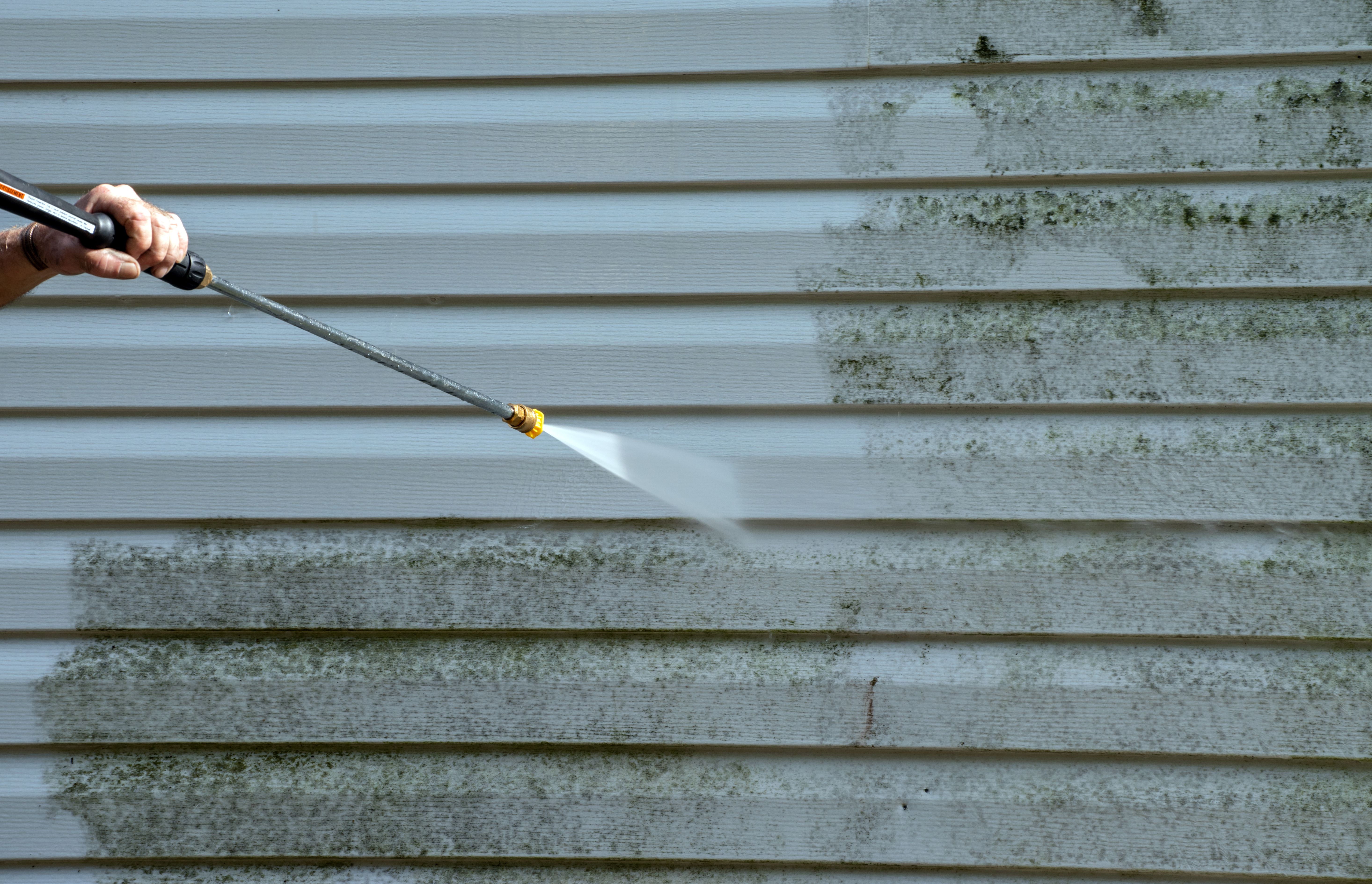
When discovering how to clean vinyl siding with a pressure washer, appropriate configuration matters enormously. Select machinery delivering 1,300-1,600 PSI—greater force risks driving moisture behind panels causing structural damage. Sustain a 25-40 degree spray trajectory and position the nozzle minimum 12 inches from treated surfaces. At Extollo Construction, we advocate employing fluid, sweeping movements rather than focusing spray on isolated spots.
Pressure Washer Safety and Best Practices
Moisture infiltration constitutes the foremost concern during power-washing operations. Never direct spray upward beneath panel overlaps, as this propels water behind materials penetrating your home's framework. Maintain downward wand orientation throughout the process. Furthermore, evaluate your configurations on hidden test areas initially. Always don protective eyewear, since debris may ricochet unpredictably during treatment.
How to Clean Vinyl Siding Without a Pressure Washer
Numerous homeowners prefer mastering how to clean vinyl siding without a pressure washer for enhanced precision and reduced risk. A conventional garden hose equipped with spray attachment delivers adequate water volume for typical maintenance tasks. Pair this with soft-bristled brushes and quality formulas for outstanding outcomes. This hands-on approach demands additional time investment but eliminates hazards associated with high-powered machinery.
How to Clean Vinyl Siding Without Scrubbing
For individuals seeking how to clean vinyl siding without scrubbing, spray-and-rinse formulations present convenient alternatives. These specialized products incorporate surfactants that dissolve grime without physical agitation. Simply distribute the formula, observe recommended contact duration, and rinse completely. While effective against light soiling, heavily contaminated zones may still necessitate some manual intervention for thorough treatment.
Which Method Is Best for Your Situation?
Your optimal approach hinges upon multiple considerations. Power-washing addresses expansive areas rapidly but demands precise technique. Manual methods utilizing garden hoses deliver safer outcomes with minimal equipment investment. Spray-and-rinse products reduce physical labor but increase supply costs. Evaluate your residence's dimensions, contamination severity, and personal comfort operating equipment when determining your preferred methodology.
Best Cleaning Solutions for Vinyl Siding
DIY Cleaning Solution Recipes
Effective homemade formulas cost mere fractions of commercial alternatives. Combine one gallon water with one-third cup powdered laundry detergent plus two-thirds cup oxygen-based bleach for general-purpose treatment. Alternatively, blend one gallon water with one cup white vinegar for routine maintenance applications. A straightforward combination of dish soap and water addresses everyday dirt accumulation satisfactorily.
How to Clean Vinyl Siding with Bleach
Comprehending how to clean vinyl siding with bleach safely necessitates proper dilution protocols. Combine one portion household bleach with three or four portions water—never utilize concentrated product directly. Apply to affected zones permitting five to ten minutes contact duration. Don protective gloves and eyewear, operate in well-ventilated environments, and thoroughly saturate surrounding vegetation before and after treatment.
Commercial Vinyl Siding Cleaners
Multiple manufacturers produce formulations engineered specifically for exterior panel treatment. These products typically blend surfactants, gentle solvents, and fungal inhibitors for comprehensive action. Brands including Krud Kutter, Simple Green, and Mold Armor deliver reliable performance. Commercial formulations frequently cost more than homemade alternatives but provide predictable outcomes eliminating guesswork regarding mixture proportions.
Eco-Friendly and Non-Toxic Options
Environmental awareness motivates many property owners toward safer treatment alternatives. These products accomplish effective results while protecting surrounding ecosystems and household health.
Popular Environmentally Responsible Ingredients:
White vinegar (natural degreasing agent and mild disinfectant)
Baking soda (gentle abrasive tackling stubborn deposits)
Castile soap (plant-derived, biodegradable surfactant)
Oxygen bleach (color-safe compound decomposing into water and oxygen)
Essential oils such as tea tree (natural antimicrobial properties)
Biodegradable commercial alternatives from manufacturers like Seventh Generation and ECOS provide ready-to-use formulations. These ecologically responsible selections safeguard your landscaping and regional waterways while achieving satisfactory performance.
What NOT to Use on Vinyl Siding
Particular products inflict permanent surface damage. Avoid concentrated bleach, organic solvents including acetone or lacquer thinner, and furniture polish or petroleum-based formulas. Abrasive implements including steel wool and rigid brushes scratch finishes irreparably. Chlorine-based products at elevated concentrations cause discoloration. Always evaluate unfamiliar products on concealed areas initially preventing irreversible harm.
How to Clean White Vinyl Siding
Preventing Yellowing and Discoloration
White exterior panels demand heightened attention maintaining brightness. Ultraviolet exposure triggers gradual yellowing that consistent maintenance helps minimize. Understanding how to clean white vinyl siding properly involves addressing oxidation before it progresses severely. Extollo Construction advises treating white panels minimum twice annually while considering UV-protective applications. Prompt action on fresh stains prevents permanent absorption into panel surfaces.
Removing Stubborn Stains from White Siding
White surfaces expose every imperfection, making stain elimination critical. Rust discoloration responds to oxalic acid-based removers applied directly to affected zones. Grease marks require degreasing agents like dish soap or commercial degreasers. For persistent blemishes, create a paste combining baking soda and water, distribute onto the stain, and gently massage using soft cloth before thorough rinsing.
Brightening Dingy White Siding
Restore faded white panels' original luminosity using oxygen bleach formulations, which brighten without chlorine bleach's harshness. Prepare according to package specifications and distribute liberally across dulled sections. Permit adequate contact duration before gentle agitation and comprehensive rinsing. Multiple applications may prove necessary for severely discolored zones. Patience yields optimal brightening outcomes.
How to Clean Oxidized Vinyl Siding
Oxidation produces a chalky, weathered appearance that standard washing cannot resolve. Mastering how to clean oxidized vinyl siding demands specialized restoration products containing mild abrasives and rejuvenating compounds. Distribute these products using circular motions with soft cloth, addressing small sections individually. Severe oxidation may necessitate professional restoration or ultimately panel replacement when damage proves too extensive.
Removing Mold, Mildew, and Algae
How to Clean Mold Off Vinyl Siding
Black mold manifests as dark, frequently fuzzy patches predominantly in shaded, moisture-prone locations. When mastering how to clean mold off vinyl siding, safety takes precedence—don respiratory protection and gloves. Distribute a bleach solution (one portion bleach to three portions water) across affected zones. Permit fifteen minutes contact duration, gently agitate, and rinse comprehensively. Persistent mold may demand repeated applications.
How to Clean Mildew Off Vinyl Siding
Mildew appears as flat, grayish or whitish patches spreading rapidly under humid circumstances. Comprehending how to clean mildew off vinyl siding encompasses both elimination and prevention strategies. Treat affected zones using diluted bleach or commercial mildewcide, gently agitate, and rinse thoroughly. Following treatment, address underlying moisture contributors such as inadequate drainage or dense landscaping perpetuating dampness.
How to Clean Algae Off Vinyl Siding
Green algae proliferates on north-facing walls and zones receiving limited sunlight. Mastering how to clean algae off vinyl siding follows protocols similar to mold treatment. Distribute your formula generously, permit penetration into growth colonies, agitate using soft bristles, and rinse progressing downward. For severe infestations, pre-treat using algaecide before comprehensive washing achieving enhanced effectiveness.
Best Solutions for Biological Growth
Different products demonstrate superior performance against specific organisms. Chlorine bleach eliminates mold effectively but may damage vegetation requiring cautious handling. Oxygen bleach delivers safer outcomes with diminished environmental impact. White vinegar performs adequately against light mildew but struggles against established colonies. Commercial mold removers offer convenience through targeted formulations. Extollo Construction advocates oxygen bleach for most residential applications.
Preventing Future Mold and Algae Growth
Prevention proves considerably easier than repeated elimination. Prune vegetation away from exterior walls improving airflow and sunlight penetration. Service gutters regularly preventing overflow and moisture accumulation. Remedy drainage deficiencies creating standing water near foundations. Apply preventive fungal inhibitors following deep treatment. These proactive strategies significantly diminish biological growth recurrence.
Treating Specific Stains and Problems
Removing Rust Stains
Rust discoloration frequently originates from metallic fixtures, lawn fertilizers, or well water minerals. Standard formulas rarely eliminate these orange-brown marks satisfactorily. Instead, distribute oxalic acid-based rust removers following manufacturer guidelines. Work the product into discoloration, observe specified contact duration, and rinse comprehensively. Stubborn rust may necessitate commercial removers engineered specifically for exterior applications.
Cleaning Oil and Grease Stains
Automotive fluids and cooking oils create challenging discoloration requiring targeted intervention. Distribute degreasing dish soap directly onto the stain massaging gently. For resistant grease, employ commercial degreaser or prepare a paste using baking soda. Permit the product to absorb oil before agitation and rinsing. Multiple applications frequently prove necessary for deeply penetrated stains.
Removing Tree Sap and Pitch
Tree secretions bond tenaciously to exterior surfaces attracting additional particulates. Soften hardened sap by distributing mineral spirits or commercial sap remover across affected zones. Permit the solvent to penetrate several minutes before gently wiping away softened residue. Follow with standard soap and water treatment eliminating remaining solvent traces. Evaluate solvents on inconspicuous areas initially.
Eliminating Insect Residue and Spider Webs
Bug deposits, wasp nest remnants, and accumulated spider webbing detract from your property's appearance. Remove web accumulations using soft brush or broom before washing. Treat insect residue using warm soapy water combined with gentle agitation. For stubborn bug deposits, enzyme-based products decompose organic matter effectively. Consistent maintenance prevents excessive accumulation between comprehensive treatment sessions.
Addressing Chalking and Oxidation
Chalking generates powdery residue transferring to fingers upon contact with weathered panels. This phenomenon results from ultraviolet degradation of material surfaces. Standard washing eliminates surface chalk, but underlying oxidation demands restoration products. Distribute restorers using soft cloths employing circular motions. Severe chalking indicates aging material potentially requiring eventual replacement.
Advanced Cleaning Techniques
Two-Step Cleaning Process
Heavily contaminated exterior walls benefit from sequential treatment approaches. Initially, distribute a pre-treatment formula targeting specific contaminants like fungal growth or severe oxidation. Permit adequate penetration duration before primary washing. Subsequently, execute comprehensive treatment using your standard methodology and formula. This sequential process addresses both surface grime and embedded discoloration achieving superior outcomes on neglected surfaces.
Soft Washing vs Pressure Washing
Comprehending these distinct methodologies helps determine appropriate selection for your circumstances. Soft washing relies upon specialized formulas distributed at minimal force, whereas power washing employs high-force water removing contaminants mechanically.
Methodology Comparison:
Force Level differs dramatically between the two methods. Soft washing uses gentle 100-500 PSI pressure, while power washing delivers forceful 1,300-3,000 PSI streams.
Primary Action distinguishes their cleaning approach. Soft washing relies on chemical treatment to break down contaminants, whereas power washing uses mechanical force to physically blast away dirt and grime.
Risk Level is reduced with soft washing due to its gentle approach, while power washing carries elevated risk of surface damage or injury if used improperly.
Surface Safety is outstanding with soft washing, protecting delicate materials effectively. Power washing provides satisfactory results with proper technique but requires experienced handling to avoid damage.
Mold Effectiveness favors soft washing, which delivers superior results by killing mold at the root level. Power washing offers moderate effectiveness, removing visible growth without eliminating underlying spores.
Equipment Investment is moderate for soft washing systems and ranges from moderate to substantial for power washing equipment, depending on professional-grade capabilities.
For typical exterior panel applications, soft washing provides safer, more effective outcomes. Reserve power washing for circumstances demanding heavy debris removal where soft washing alone proves insufficient.
Using Extension Wands and Specialty Tools
Extension wands attach to both power washers and garden hoses, enabling access to elevated zones safely from ground positions. Telescoping poles accommodate varying heights through adjustable length configurations. Angled spray attachments help sustain proper spray trajectory on upper surfaces. Invest in quality extension equipment rather than risking ladder mishaps on taller residences.
Section-by-Section Cleaning Strategy
Larger residences benefit from systematic treatment methodologies. Partition your exterior into manageable sections, typically individual walls or substantial surface areas. Complete each section entirely—pre-rinse, wash, agitate, and final rinse—before advancing onward. This approach prevents formulas from evaporating prematurely ensuring uniform coverage. Mark completed sections avoiding confusion during multi-day undertakings.
Protecting Surrounding Areas During Cleaning
Landscape and Plant Protection
Chemical formulas, particularly bleach-based products, damage vegetation rapidly. Cover adjacent plants using protective sheeting before commencing work. Thoroughly pre-saturate all landscaping using plain water diluting any chemical contact. Following treatment, rinse plants again washing away residual chemicals. Relocate potted plants away from work zones entirely when feasible.
Protecting Windows, Doors, and Fixtures
Secure all windows and doors completely before initiating exterior work. Cover outdoor electrical receptacles using waterproof tape or protective sheeting. Remove or cover lighting fixtures that might trap moisture or chemical formulas. Ensure dryer vents and additional openings remain shielded from water infiltration. Observing these precautions prevents interior damage and electrical hazards.
Managing Runoff and Drainage
Chemical runoff eventually drains somewhere, making responsible management essential. Direct contaminated water away from storm drains when employing chemical formulas. Permit diluted solutions to absorb into lawn areas where they dissipate harmlessly. Collect and properly dispose of heavily contaminated water from intensive projects. Regional regulations may govern disposal protocols for particular products.
Maintaining Clean Vinyl Siding
Regular Maintenance Schedule
Establish a consistent upkeep routine preserving your treatment investment. Conduct monthly visual assessments, documenting any emerging stains or problem zones demanding attention. Address isolated concerns promptly before spreading or becoming permanent. Schedule comprehensive deep washing annually, or semi-annually for challenging environments. Consistent maintenance dramatically diminishes effort required during major sessions.
Quick Spot Cleaning Between Deep Cleans
Address individual stains immediately achieving easiest elimination. Maintain a spray bottle containing diluted formula readily accessible for rapid treatment. Address bird droppings, splattered mud, and pollen deposits within days of appearance. Soft cloth combined with mild formula handles most spot concerns within minutes. This proactive methodology prevents minor blemishes from becoming major complications.
Preventive Measures to Reduce Cleaning Frequency
Multiple strategies minimize accumulation on your exterior walls. Service gutters properly preventing overflow discoloration. Prune trees and shrubs reducing contact while improving airflow. Apply preventive treatments including fungal inhibitors following deep washing. Adjust sprinkler positioning avoiding constant water contact with walls. These preventive approaches extend intervals between necessary comprehensive treatments.
Seasonal Cleaning Considerations
Timing your maintenance strategically enhances outcomes while reducing effort. Spring treatment addresses winter grime accumulation preparing surfaces before pollen season peaks. Late spring work following pollen subsidence removes yellow residue. Autumn washing before winter prevents organic matter from freezing onto surfaces. Avoid working during temperature extremes, which affect formula effectiveness and evaporation patterns.
Common Mistakes to Avoid
Using Excessive Pressure
High-force water inflicts significant damage when misapplied. Excessive power cracks panels, strips protective coatings, and drives moisture behind materials penetrating your home's framework. Always employ minimum effective force—typically under 1,600 PSI for exterior panels. Extollo Construction experts advocate evaluating equipment configurations on inconspicuous zones before proceeding. Reduced force combined with proper technique outperforms aggressive high-power methodologies.
Scrubbing Too Hard or Using Abrasive Tools
Aggressive agitation creates permanent surface damage that no subsequent treatment corrects. Rigid brushes, steel wool, and abrasive pads scratch finishes, producing dull patches while increasing future dirt accumulation. Always employ soft-bristled brushes applying gentle motion. Allow your formula to perform the work—appropriate chemistry eliminates stains more effectively than excessive mechanical force ever could.
Cleaning in Direct Sunlight
Heated surfaces trigger rapid evaporation creating multiple complications. Formulas dry before completing their function, substantially diminishing effectiveness. Premature evaporation deposits residue causing streaking that necessitates retreatment. Schedule your projects for overcast days or periods when working surfaces remain shaded. Early morning and late afternoon frequently provide optimal conditions.
Neglecting Proper Rinsing
Comprehensive rinsing eliminates all formula residue—a phase many property owners rush through hastily. Remaining chemical deposits attract fresh particulates rapidly, dull panel appearance, and may inflict surface damage over time. Rinse each section thoroughly progressing downward, confirming water runs clear before considering zones complete. Additional rinsing duration prevents disappointing outcomes.
Mixing Incompatible Cleaning Products
Combining certain chemicals produces dangerous reactions with potentially fatal consequences. Never blend different products, even those engineered for identical purposes.
Hazardous Combinations Requiring Avoidance:
Bleach + ammonia (generates toxic chloramine gas)
Bleach + vinegar (produces toxic chlorine gas)
Bleach + rubbing alcohol (forms chloroform plus additional toxic compounds)
Hydrogen peroxide + vinegar (creates peracetic acid)
Different commercial formulas (unpredictable reactions)
Select one methodology employing it exclusively. Rinse surfaces comprehensively between treatments when switching products becomes necessary. When uncertain, consult product labeling or contact professional services for expert guidance.
When to Call Professional Cleaners
Benefits of Professional Vinyl Siding Cleaning
Professional teams contribute expertise preventing costly errors. Commercial-grade machinery achieves outcomes impossible using consumer equipment. Trained technicians identify and remedy potential complications before worsening. Professional services accomplish projects faster delivering superior outcomes. Insurance coverage protects against accidental damage throughout the treatment process.
Hard-to-Reach Areas and Multi-Story Homes
Second and third-story walls present substantial safety challenges for property owners. Professional crews maintain proper equipment including boom lifts, scaffolding, and industrial extension systems accessing elevated zones safely. Ladder accident risks make professional services prudent for multi-story residences. No maintenance undertaking justifies serious injury or worse resulting from falls.
Severe Staining and Oxidation Issues
Certain conditions exceed DIY capabilities regardless of effort invested. Extensive fungal infiltration, severe oxidation, and deeply embedded discoloration frequently demand professional-grade products unavailable to consumers. Restoration techniques for heavily damaged panels require specialized training. When standard methodologies fail repeatedly, professional assessment determines whether restoration or replacement represents the wiser investment.
Time and Convenience Considerations
Contemporary schedules allocate minimal time for extensive property maintenance undertakings. Professional services complete in hours what might consume entire weekends for homeowners. For busy professionals, modest professional service fees represent outstanding value compared to personal time investment. Calculate your hourly value when comparing true DIY expenses versus professional service costs.
Professional Vinyl Siding Cleaning Services
Our Professional Cleaning Process
Extollo Construction maintains a comprehensive methodology ensuring safe, effective outcomes on every undertaking. Our technicians commence with thorough property evaluation, identifying stain varieties and selecting appropriate treatments. We safeguard landscaping and surrounding surfaces before distributing specialized formulas. Systematic treatment addresses every surface, followed by detailed inspection confirming complete coverage and customer satisfaction.
Soft Wash Technology
Our primary methodology utilizes soft wash technology, distributing professional-grade formulas at minimal force achieving superior outcomes. This approach eliminates mold and algae at their roots rather than merely removing surface growth. Gentle application protects exterior surfaces while chemical action performs the demanding work. Soft washing generates longer-lasting results compared to high-force methodologies alone.
Free Cleaning Estimate
Contact us for a complimentary evaluation of your exterior maintenance requirements. Our estimators assess your residence's specific circumstances, identify problem zones demanding special attention, and deliver transparent pricing without concealed fees. This no-obligation consultation helps you comprehend exactly what your project requires and costs before committing.
Complete Exterior Cleaning Solutions
Beyond wall panels, our crews manage comprehensive exterior maintenance requirements. Services encompass gutter treatment and brightening, window washing, deck and patio restoration, concrete treatment, and roof care. Bundling multiple services frequently reduces overall expenses while delivering convenience. One phone call addresses all your exterior requirements through our experienced team.
Satisfaction Guarantee and Customer Testimonials
Our dedication to quality manifests in every completed undertaking. Extollo Construction guarantees your satisfaction—should any zone fall short of expectations, we return addressing concerns at no additional charge. Hundreds of delighted customers throughout our service territory trust us for their exterior maintenance requirements. Contact us today joining our community of satisfied homeowners enjoying beautifully maintained properties.