Casement Windows: Complete Guide to Benefits, Installation, and Costs
Whether you're upgrading an older property or constructing something new, grasping what are casement windows empowers you to choose wisely. This detailed resource from Extollo Construction addresses every aspect homeowners should understand about this beloved hinged style—from distinct advantages and correct operation to setup essentials and price breakdowns against competing types. Additionally, we'll guide you through precise measurement protocols, effective cleaning approaches, and assist in determining whether this swinging design suits your residence perfectly.
What Are Casement Windows?
Understanding Casement Window Design
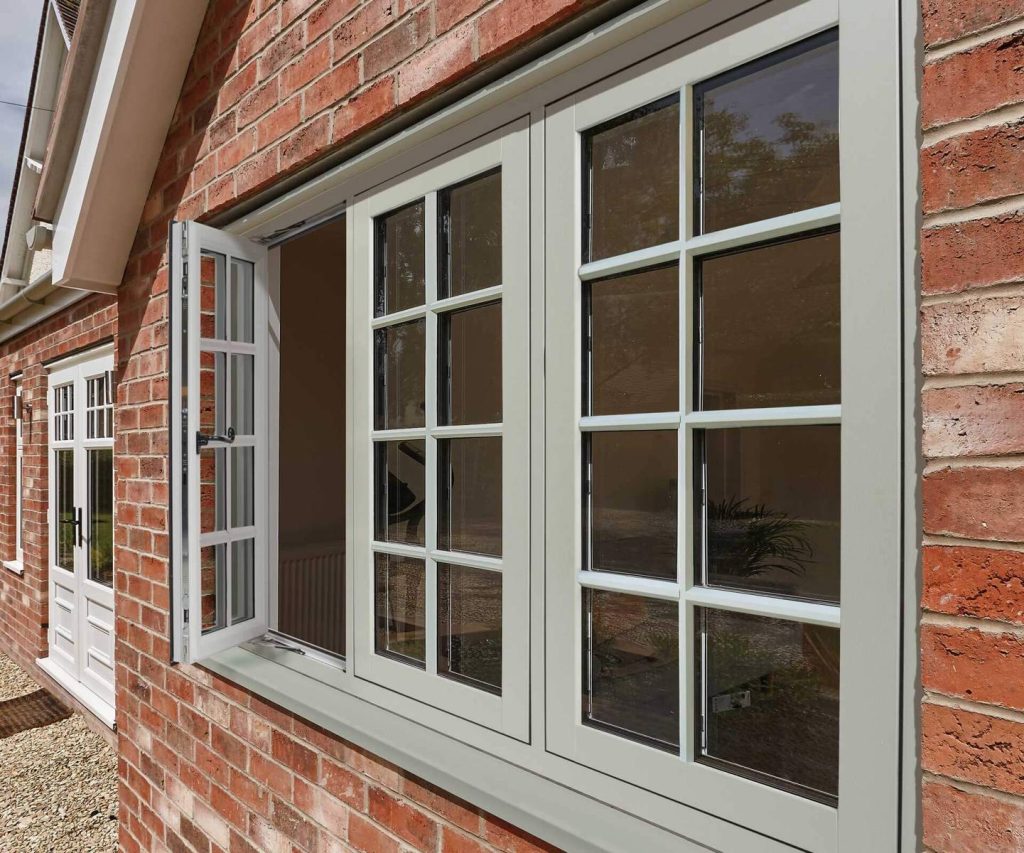
So what is a casement windows in practical terms? This particular style incorporates a single sash connected to its frame through one or several hinges positioned along the vertical edge. Contrasting with sliders that glide horizontally or double-hung versions featuring dual movable sashes, these swing outward much like a door. Frames typically utilize robust materials including vinyl, timber, fiberglass, or aluminum. Moreover, they integrate a crank-operated mechanism delivering precise control over opening angles while ensuring secure closure.
How Do Casement Windows Open?
Comprehending how do casement windows open proves quite simple. A rotary crank handle, generally positioned near the frame's base, activates a mechanical arm linked to the sash. Rotating this handle clockwise causes the arm to propel the sash outward through smooth, measured motion. This engineering delivers superior leverage, enabling effortless operation regardless of size. Furthermore, the crank arrangement permits positioning at virtually any angle for customized airflow management.
Do Casement Windows Open Inward or Outward?
Do casement windows open toward interior spaces or away from them? The overwhelming majority swing outward, creating distance from living areas. This configuration maximizes indoor clearance while establishing tighter weatherseals upon closing. Nevertheless, certain European-inspired versions pivot inward, proving advantageous for exterior maintenance in taller structures. Outward-swinging arrangements remain standard throughout North American building practices since they effectively channel rainwater away and avoid interfering with draperies or furnishings.
Types and Styles of Casement Windows
Multiple varieties accommodate diverse architectural demands. Single configurations feature one operable sash, fitting compact openings excellently. Double arrangements incorporate paired sashes opening from center points, producing dramatic apertures. French styles completely remove center mullions for barrier-free sightlines. Additionally, push-out versions substitute lever handles for crank mechanisms, presenting traditional aesthetics while preserving characteristic side-hinged functionality.
Are Casement Windows Better? Key Advantages
Are Casement Windows Better Than Double Hung?
Are casement windows better than double hung alternatives? Each category excels under specific circumstances. The hinged configuration delivers enhanced airflow since the complete sash opens, whereas double-hung varieties permit only partial opening. Additionally, this swinging style presents uninterrupted views lacking horizontal rails bisecting the glass. Operation proves simpler for individuals with mobility limitations too. However, double-hung versions perform superiorly where exterior clearance remains restricted or colonial aesthetics appeal more strongly.
Are Casement Windows More Energy Efficient?
Are casement windows more energy efficient compared to alternatives? Absolutely—they consistently surpass most competing styles. Upon closing, the sash compresses tightly against its frame, generating a seal that dramatically reduces air infiltration. This engineering eliminates gaps inherent to sliding mechanisms. Consequently, this hinged type can slash energy loss by approximately 50% versus aging single-pane units. The superior seal additionally blocks particulates, allergens, and exterior sounds more effectively than overlapping-sash designs.
Ventilation and Airflow Benefits
This side-hinged style demonstrates exceptional capability for capturing and channeling breezes indoors. Since the sash extends fully at perpendicular angles, it functions similarly to a scoop, catching lateral air currents that competing types frequently miss. Opening angles remain adjustable for tailored airflow intensity too. Moreover, strategic placement on opposing walls generates highly effective cross-ventilation. Such natural cooling potential meaningfully decreases dependence on mechanical air conditioning during temperate conditions.
Security Features of Casement Windows
This swinging design presents inherent protective qualities rendering forced entry exceptionally challenging. Hook-shaped locking mechanisms embedded within frames engage at numerous points during crank closure. Unlike double-hung varieties utilizing basic latches, these concealed locks resist external prying attempts completely.
Key Security Benefits:
Multi-point locking distributes resistance throughout the entire frame perimeter
Hook-configured locks effectively counter prying and tampering efforts
Restricted opening dimensions prevent unauthorized entry even during ventilation
Crank mechanisms establish positive locking automatically upon full closure
For heightened protection, numerous property owners supplement with keyed locks or electronic sensors. These supplementary safeguards complement the already formidable hinged architecture.
Unobstructed Views and Natural Light
This swinging style maximizes scenic views and daylight penetration through narrow framing and absent center rails. Glass-to-frame proportions exceed those found in double-hung or sliding alternatives, permitting substantially more natural illumination to enter rooms. Upon opening, the sash repositions entirely outside sightlines. This characteristic renders hinged units especially favored for great rooms, dining spaces, and anywhere emphasizing outdoor panoramas or architectural vistas proves desirable.
Casement Windows Cost Comparison
Are Casement Windows More Expensive Than Double Hung?
Are casement windows more expensive than double hung varieties? Typically, yes. This hinged style generally commands 10-20% premiums over comparable double-hung versions. Crank mechanisms, multi-point locking hardware, and precision-engineered hinges contribute manufacturing complexity. Furthermore, single large sashes necessitate more robust components than the paired smaller sashes within double-hung configurations. Nevertheless, superior energy performance frequently compensates for elevated purchase prices through diminished utility expenses over time.
Are Double Hung Windows Cheaper Than Casement?
Are double hung windows cheaper than casement alternatives? Generally speaking, double-hung varieties carry reduced price points. Their simpler spring-loaded or friction-dependent balance systems cost less to fabricate than crank mechanisms. Volume production economics additionally favor double-hung units given their residential construction popularity. Nonetheless, pricing disparities narrow considerably when factoring energy performance, and premium double-hung selections can actually surpass basic hinged pricing.
Are Sliding Windows Cheaper Than Casement?
Are sliding windows cheaper than casement varieties? Sliding alternatives typically occupy middle ground between hinged and double-hung units regarding price. Their horizontal track systems cost less than cranks yet exceed basic double-hung balances. However, sliders fail to seal as securely as hinged configurations, potentially elevating long-term climate control expenses. Consequently, evaluating only initial prices overlooks total ownership costs incorporating energy performance factors.
What Affects Casement Window Pricing?
Numerous variables influence pricing beyond fundamental design considerations. Frame material substantially impacts costs, with vinyl proving most economical while timber or fiberglass commands premium pricing. Larger units demand reinforced frames and heavier hardware, escalating costs proportionally. Glass enhancements like triple-pane construction, low-E coatings, and argon gas infusions add to base pricing. Ultimately, premium crank mechanisms and architectural finishes can markedly increase overall investment.
Long-Term Value and ROI
This hinged style delivers outstanding investment returns despite elevated initial expenditures. Energy savings compound annually, frequently recovering price premiums within five to ten years. Robust construction paired with straightforward mechanical systems demands minimal upkeep compared to multi-sash alternatives. Additionally, quality selections enhance street appeal and can boost property resale valuations. Extollo Construction assists homeowners in identifying products balancing upfront investment against lasting performance.
How to Measure Casement Windows for Replacement
Tools and Preparation for Measuring
Prior to mastering how to measure casement windows for replacement, assemble essential equipment. You'll require a steel tape measure ensuring accuracy, pencil and notepad for dimension recording, plus a level for verifying square openings. Remove curtains, blinds, and obstructions from the area. Additionally, examine existing units and frames for deterioration, decay, or settling potentially affecting measurements. Capturing photographs aids in documenting current conditions and configuration specifics.
Step-by-Step Measurement Guide
Precise measurements guarantee replacements fit correctly and deliver expected performance. Always measure from interior positions at existing frames—never from exterior trim or interior casings. Capture each measurement at three distinct points, recording the smallest figure to ensure adequate clearance.
Essential Measurement Steps:
Determine width at upper, middle, and lower frame opening positions
Assess height along left, center, and right edges
Evaluate depth spanning interior trim to exterior blind stop
Confirm squareness through diagonal measurement comparison
Accommodate any settling or out-of-plumb situations
Professional technicians invariably verify dimensions prior to ordering, preventing expensive mistakes.
How to Measure Casement Windows: Critical Dimensions
Mastering how to measure casement windows demands focus on particular dimensions. Rough openings represent framed wall cavities before any unit placement. Frame-to-frame assessments indicate actual unit sizing. Diagonal measurements verify whether openings remain square; discrepancies surpassing 1/4 inch may necessitate frame corrections. Additionally, assess jamb depth ensuring new products fit appropriately within wall thicknesses.
Common Measurement Mistakes to Avoid
Multiple measurement errors routinely trigger setup complications. Measuring from exterior trim instead of frames produces oversized units that won't fit. Neglecting squareness verification causes gaps or binding issues. Capturing single measurements per dimension disregards settling and warping realities. Cloth tape measures introduce accuracy problems. Moreover, overlooking interior or exterior obstacles like electrical receptacles or shutters generates unanticipated challenges.
How to Install Casement Windows
Preparation and Planning
Thorough preparation ensures seamless setup execution. Initially, confirm new units match recorded measurements and examine them for transit damage. Assemble materials encompassing shims, fasteners, insulating foam, and exterior sealant. Shield flooring and furnishings against debris from old unit removal. Furthermore, monitor weather forecasts, scheduling work during precipitation-free periods. Arrange assistance for managing substantial or weighty products safely.
Step-by-Step Installation Process
Comprehending how to install casement windows encompasses multiple sequential phases. Commence by carefully extracting interior trim and existing units. Thoroughly clean and examine rough openings, addressing any compromised framing. Position new products using shims to achieve plumb and level placement. Fasten through pre-drilled mounting locations, verifying operation between successive fasteners. Conclude by adding interior and exterior trim completing the weathertight assembly—a procedure that Extollo Construction executes with exactitude on every undertaking.
Proper Sealing and Insulation Techniques
Effective sealing forestalls drafts and moisture penetration surrounding your new units. Dispense low-expansion foam between frames and rough openings, exercising caution against overfilling that could bow frames. Employ premium exterior sealant at all trim connections and where frames adjoin siding. Additionally, integrate proper flashing overhead to redirect moisture away from openings. These weatherproofing measures optimize energy efficiency while preventing expensive moisture-related deterioration.
Hardware Installation and Adjustment
Hardware demands meticulous adjustment enabling proper functionality. Mount crank handle assemblies per manufacturer guidelines, confirming smooth rotation across complete ranges. Calibrate hinges so sashes open and close without catching or generating excessive resistance. Configure multi-point locks engaging firmly without demanding undue force. Furthermore, incorporate optional hardware like limit stops or keyed locks during this phase to finalize functional setup.
DIY vs Professional Installation
This project category surpasses typical DIY proficiency levels. Proper setup necessitates specialized tools, flashing expertise, and shimming experience. Errors can invalidate manufacturer warranties and spawn moisture intrusion complications causing structural harm. Additionally, multi-story endeavors present considerable safety hazards. Professional assistance typically runs $150-400 per unit but encompasses warranty coverage, proper sealing, and guaranteed performance justifying the expenditure.
How to Open and Operate Casement Windows
How to Open Casement Windows Properly
Understanding how to open casement windows correctly prolongs their service life and prevents damage. Initially, disengage by releasing lock mechanisms positioned along frame edges. Rotate crank handles clockwise gradually, propelling sashes outward. Halt at preferred opening angles—most extend to 90 degrees. For closing, turn cranks counter-clockwise until sashes seat securely against frames, then activate all locks. Never force cranks encountering resistance.
Adjusting and Maintaining Window Hardware
Consistent hardware upkeep sustains smooth operation spanning decades. Conduct annual inspections examining all moving components for deterioration or damage. Crank mechanisms, hinges, and lock points benefit from periodic lubrication alongside minor calibrations.
Maintenance Checklist:
Treat hinge pivot points using silicone spray or white lithium grease
Administer light oil to crank mechanism gears and arm connections
Secure any loosened screws on handles, locks, or hinges
Eliminate debris from tracks and weatherstripping
Recalibrate strike plates when locks fail to engage correctly
Resolving minor concerns promptly circumvents expensive repairs while guaranteeing dependable year-round operation.
Safety Considerations When Operating
Safe operation necessitates hazard awareness. Before opening, confirm nothing exterior could impede sashes or sustain damage from them. Extract screens cautiously, preventing tearing or dropping incidents. Never leave units fully extended during powerful gusts, since strong air currents can strain hinges and harm sashes. Moreover, incorporate limiters within children's quarters preventing hazardous openings. During cleaning activities, preserve three contact points and refrain from overextending through open spaces.
How to Clean Casement Windows
How to Clean Casement Windows from Inside
Discovering how to clean casement windows from inside reveals their considerable maintenance benefit. Because sashes swing fully toward exteriors, you access both glass surfaces from indoor positions. Simply open the unit, stabilize the sash at 90-degree angles, and safely clean exterior surfaces from interior spaces. This approach eliminates ladder requirements for most single and multi-level residences. Inside cleaning convenience renders regular upkeep substantially more manageable.
Step-by-Step Cleaning Process
Mastering how to clean casement windows effectively demands proper techniques alongside suitable supplies. Begin by fully opening units to access all surfaces. Dislodge loose dust and particles from frames and glass prior to applying liquid cleaners.
Recommended Cleaning Solutions:
Glass surfaces should be cleaned with either a vinegar-water mixture or commercial glass cleaner. Apply by spraying the solution directly onto the glass and wiping with a microfiber cloth for a streak-free finish.
Vinyl frames require a gentle approach using dish soap diluted in water. Use a soft sponge to apply the solution, then rinse completely with clean water to remove all soap residue and prevent buildup.
Wood frames need timber-specific cleaner to protect the material. Apply the cleaner with a dampened cloth and dry the surface promptly to prevent water damage and maintain the wood's integrity.
Hardware components should be maintained with a dry cloth and minimal lubricant. Wipe all hardware thoroughly to remove dirt and debris, then apply oil sparingly to moving parts to ensure smooth operation without attracting dust.
Following glass surface cleaning, dry utilizing lint-free cloths—employ vertical strokes on one side, horizontal on the other—to detect remaining streaks.
Cleaning Hard-to-Reach Exterior Surfaces
Certain exterior surfaces remain challenging to access despite fully extended units. For upper-level positions in difficult areas, consider magnetic cleaners functioning on both surfaces simultaneously. Extension poles fitted with squeegee attachments also facilitate reaching distant glass zones. For spaces you cannot safely access, professional cleaning services deliver comprehensive results without safety compromises. Regular cleaning prevents accumulation that grows progressively harder to eliminate.
Maintenance Schedule and Best Practices
Establishing consistent cleaning routines maintains units looking pristine and operating optimally. Clean glass quarterly at minimum, increasing to monthly for residences in dusty or polluted environments. Examine weatherstripping during each cleaning session, replacing damaged sections without delay. Extollo Construction advises lubricating hardware annually, ideally during autumn preparation before heating season commences. This preventive strategy extends operational lifespan while sustaining peak performance.
Casement Windows vs Other Window Types
Casement vs Double Hung Windows
When contrasting these prevalent styles, weigh your priorities carefully. The hinged configuration delivers enhanced energy efficiency, simplified operation, and complete ventilation capability. Double-hung versions present traditional aesthetics, function effectively beneath porches or within spaces having exterior obstructions, and permit top-down airflow. Maintenance considerations favor hinged designs given their streamlined mechanisms. Pricing typically favors double-hung selections. Your ultimate decision hinges on architectural style, positional requirements, and performance priorities.
Casement vs. Sliding Windows
Sliders traverse horizontally along tracks rather than pivoting outward. They perform admirably in expansive openings and never project into exterior zones. However, track mechanisms generate air leakage points diminishing energy efficiency. Hinged configurations seal more securely and deliver superior ventilation relative to size. Sliders demand more frequent track maintenance and roller servicing. For basement egress or positions above kitchen sinks, the hinged approach frequently provides safer, more practical solutions.
Casement vs Awning Windows
Awning varieties mirror the hinged architecture but connect at upper rather than lateral edges. Both categories employ crank mechanisms and generate outstanding seals. Awning units permit airflow during mild precipitation since they pivot outward from lower edges. The side-hinged approach provides more expansive openings and captures lateral breezes more efficiently. Numerous homeowners blend both varieties, utilizing side-hinged units as primary glazing with awning types positioned overhead for supplementary ventilation.
Which Window Type Is Right for Your Home?
Identifying appropriate types depends upon numerous factors particular to your circumstances. Evaluate room purposes, your residence's architectural character, and practical necessities like egress or ventilation demands. What is casement windows best suited for? Typically, areas requiring maximum airflow, unobstructed views, and superior energy performance.
Key Selection Considerations:
Kitchen and bathroom positions benefit from easy-open functionality above steam sources
Bedroom egress mandates frequently favor hinged approaches for their generous openings
Traditional colonial residences may better accommodate double-hung aesthetics
Contemporary architecture harmonizes beautifully with clean hinged profiles
Financial constraints might point toward double-hung or sliding alternatives
Consulting experienced professionals assists in aligning selections with your particular requirements and preferences.
Professional Casement Window Services
Why Choose Professional Installation
Professional assistance delivers advantages DIY methods simply cannot replicate. Certified technicians comprehend proper flashing, shimming, and sealing methodologies guaranteeing weathertight results. Manufacturer warranties customarily mandate professional work remaining valid. Skilled teams recognize potential complications before they escalate into expensive repairs. Moreover, professional crews like those at Extollo Construction execute projects efficiently using appropriate safety gear and liability coverage protecting your property.
Free Window Consultation and Estimate
Quality projects commence with comprehensive evaluation and precise estimates. Professional consultations assess existing units, pinpoint energy efficiency enhancement opportunities, and explore style possibilities complementing your residence. Specialists capture exact measurements ensuring proper fit. You'll obtain detailed written estimates encompassing all materials, labor, and requisite structural alterations. This transparent procedure facilitates accurate budgeting while clarifying precisely what your undertaking involves.
Our Casement Window Installation Process
Our crew adheres to systematic methodologies guaranteeing quality outcomes on every project. We initiate with thorough measurements and product selections customized to your requirements. Our teams meticulously prepare work zones, safeguarding your residence throughout proceedings. Each unit receives careful attention featuring proper flashing, sealing, and hardware calibration. Concluding inspections verify smooth functionality, secure closure, and attractive appearance. We finalize every project with comprehensive cleanup and detailed maintenance guidance.
Energy-Efficient Window Options
Contemporary hinged units incorporate sophisticated technologies maximizing energy performance. Triple-pane glass featuring argon or krypton gas infusions delivers exceptional thermal resistance. Low-E coatings deflect heat while transmitting natural illumination. Warm-edge spacers diminish condensation and thermal transfer at glass perimeters. Premium weatherstripping materials preserve secure seals across decades. Extollo Construction presents comprehensive energy-efficient packages reducing utility expenditures while amplifying year-round comfort.