Asphalt Shingles: Complete Guide to Installation, Maintenance, and Longevity
Building a new residence or upgrading an aging overhead covering demands thorough knowledge of available materials. This detailed resource from Extollo Construction delivers essential insights about what is asphalt shingles and their practical applications for residential properties. Beyond exploring material composition, you'll discover proper techniques, care protocols, and strategies to safeguard your investment while extending your roof's functional years well into the future.
What Are Asphalt Shingles?
Understanding Asphalt Shingle Composition
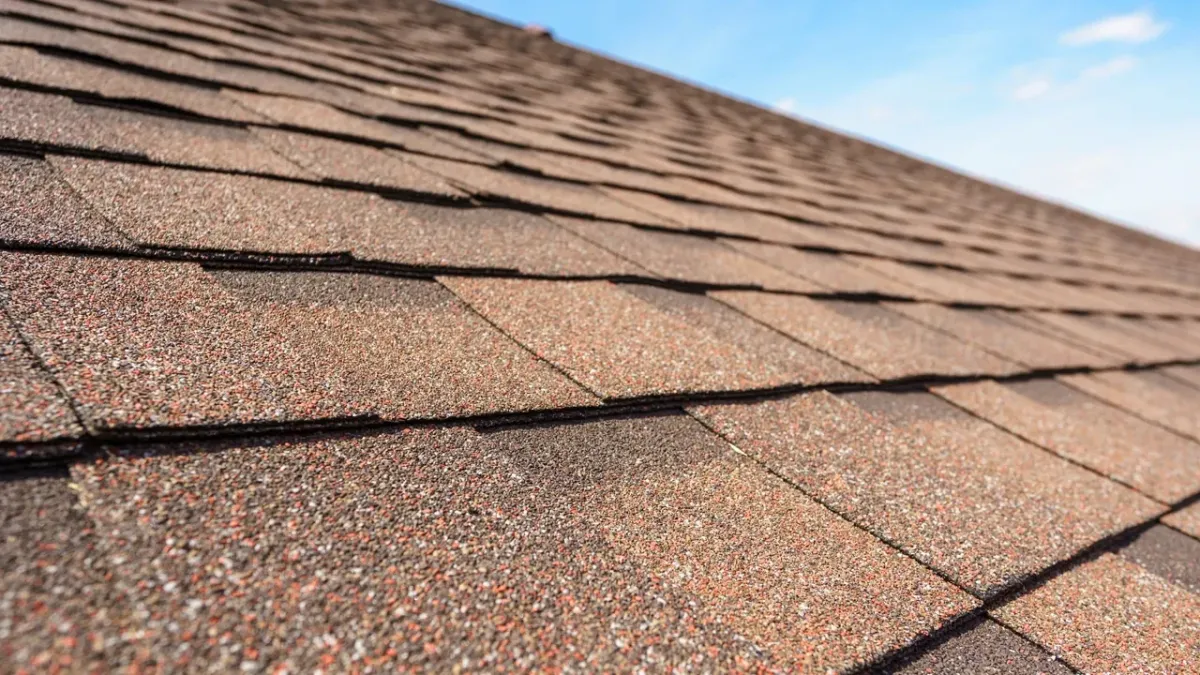
Precisely what are asphalt shingles in terms of structure? These protective coverings feature multiple engineered layers working together against environmental exposure. A reinforced base mat delivers foundational strength, while petroleum-derived coatings establish waterproof barriers. Surface granules crafted from ceramics deflect ultraviolet radiation and provide color variety. This multi-layer engineering explains their affordability and durability, accounting for their widespread popularity across North American housing markets.
What Are Asphalt Shingles Made Of?
Examining what are asphalt shingles made of clarifies their exceptional performance characteristics. Contemporary manufacturing begins with either woven fiberglass mats or organic felt substrates. These bases undergo saturation with petroleum-derived compounds creating moisture-resistant barriers. Powdered mineral additives reinforce the coating matrix, while ceramic-glazed granules deliver both UV defense and visual appeal. Premium grades incorporate copper or zinc particles that naturally discourage biological growth.
Where Are Asphalt Shingles Made?
Investigating where are asphalt shingles made reveals concentrated North American production. Manufacturing plants operate extensively across both the United States and Canada, featuring prominent facilities in Texas, Oklahoma, and various Midwestern states. Industry leaders including GAF, Owens Corning, CertainTeed, and IKO maintain numerous continental facilities. This geographic concentration guarantees rigorous quality standards while minimizing shipping expenses for property owners throughout the region.
Types of Asphalt Shingles Available
Property owners encounter three primary categories, each presenting unique benefits worth considering. Your ultimate choice hinges on financial parameters, visual preferences, and durability expectations.
Comparative Overview of Roofing Product Categories:
3-Tab shingles are the most economy-focused option, offering a streamlined and consistent visual appearance. They provide an expected duration of 15-20 years and represent the most budget-friendly investment level.
Architectural shingles fall into the moderate price range and deliver enhanced aesthetics with their multi-dimensional, sculpted appearance. These shingles last 25-30 years, making them a popular mid-tier choice that balances cost and longevity.
Luxury/Designer shingles are premium tier products with an upscale, natural stone appearance that mimics high-end materials. They offer the longest expected duration at 30-50 years, justifying their higher investment level with superior aesthetics and extended performance.
Three-tab varieties deliver budget-conscious protection featuring clean, conventional aesthetics. Architectural grades introduce depth and shadow patterns elevating exterior appeal. Luxury lines convincingly replicate natural slate or cedar characteristics while providing enhanced resistance against wind forces and impact damage.
How Long Do Asphalt Shingles Last?
Average Lifespan by Shingle Type
How long do asphalt shingles last hinges primarily on your selected product tier. Entry-level 3-tab varieties generally deliver 15 to 20 years of reliable service. Architectural grades push that window to 25 or even 30 years under attentive care. Top-tier luxury products frequently carry warranties spanning 30 to 50 years. Nevertheless, real-world durability fluctuates according to regional climate patterns and ongoing care practices specific to your property.
Factors That Impact Shingle Longevity
Multiple variables determine whether your overhead covering reaches its anticipated service duration. Regional weather patterns significantly influence wear rates, with temperature extremes and harsh conditions accelerating deterioration. Moreover, craftsmanship quality during initial setup profoundly shapes long-term reliability.
Primary Durability Influences:
Regional climate intensity and thermal cycling
Craftsmanship standards during original setup
Ventilation efficiency within attic spaces
Consistent upkeep and periodic evaluations
Roof angle and solar exposure patterns
Nearby vegetation and organic debris accumulation
Adequate attic airflow prevents thermal buildup that deteriorates materials from underneath. Consequently, proactively managing these elements maximizes your roofing investment while circumventing costly premature replacement scenarios.
Are Asphalt Shingles Fire Resistant?
Property owners frequently inquire: are asphalt shingles fire resistant? Contemporary roofing products achieve Class A fire classifications—representing peak protection ratings available. This designation confirms resistance against severe flame exposure without propagating fire across surfaces. Fiberglass core construction combined with mineral granule surfaces contributes substantially to this protective capacity. As a result, these materials satisfy rigorous building regulations and insurance stipulations throughout wildfire-susceptible territories.
How to Install Asphalt Shingles
Step-by-Step Installation Process
Mastering how to install asphalt shingles demands comprehension of sequential procedures and precise methodology. Projects commence with comprehensive deck evaluation and necessary repairs. Subsequently, contractors position ice barriers and moisture shields across vulnerable zones, followed by synthetic or felt protective layers spanning the complete surface area.
Sequential Procedure Overview:
Secure drip edging along lower perimeters
Position underlayment maintaining adequate overlap
Arrange starter course materials properly
Progress field courses ascending from bottom edges
Execute correct fastener positioning (four to six per unit)
Weatherproof valleys, penetrations, and transition zones
Each unit requires sufficient fastening within manufacturer-designated zones. Additionally, precise exposure measurements and alignment guarantee proper water shedding while achieving rated wind performance—a benchmark that Extollo Construction maintains across every undertaken project.
Tools and Materials Needed
Successful roofing projects demand specialized equipment and superior-grade supplies. Critical tools encompass pneumatic fastening systems, compressed air units, cutting implements, marking lines, and precision measuring devices. Protective equipment including fall arrest harnesses, grip-enhanced footwear, and vision protection remains essential throughout every project phase. Required supplies include roofing products, protective underlayers, starter courses, ridge components, metal flashings, fasteners, and weatherproofing compounds.
Common Installation Mistakes to Avoid
Substandard workmanship generates complications that may remain hidden for extended periods. Incorrect fastener positioning ranks among prevalent errors, enabling materials to detach during wind events. Insufficient fastener quantities substantially diminish wind resistance capabilities over time. Misaligned courses establish vulnerable points permitting moisture penetration into underlying structures. Overlooking proper flashing around roof penetrations triggers persistent leak problems. Conducting work during frigid temperatures induces material cracking throughout the procedure.
How to Combine Metal Roof with Asphalt Shingles
Numerous residences incorporate diverse roofing materials, necessitating knowledge of how to combine metal roof with asphalt shingles successfully. Transition zones demand meticulous flashing work preventing moisture intrusion at junction points. Metal accent coverings above porches or dormers complement primary roof sections attractively. Protective underlayers must extend beneath both material types at connection zones. Thoughtful color coordination between metallic and granulated products establishes unified architectural character.
How to Remove Asphalt Shingles
Preparation and Safety Measures
Prior to mastering how to remove asphalt shingles, emphasize safety protocols and thorough site preparation. Obtain appropriate fall protection gear, encompassing harness systems and secure anchor points. Monitor weather predictions to prevent working ahead of precipitation. Shield landscaping features and exterior walls using protective tarps and board barriers. Position waste containers conveniently for efficient debris removal. Eliminate work zone obstacles while establishing secure ladder placements.
Removal Techniques and Best Practices
Methodical removal preserves underlying deck surfaces for subsequent roofing work. Commence at ridge areas progressing downward through manageable sections. Purpose-built roofing scrapers and removal implements accelerate the tearoff procedure substantially. Simultaneously pry materials upward while extracting embedded fasteners during removal. Evaluate deck condition progressively, flagging compromised areas requiring repair. Prevent gouging or damaging structurally viable plywood throughout the process.
Disposal and Recycling Options
Environmentally conscious disposal carries both ecological and financial significance for every project. Numerous municipalities currently operate recycling initiatives converting old roofing materials into roadway surfacing compounds. Research local recycling centers to identify convenient drop-off locations. Certain contractors coordinate recycling within their comprehensive service offerings. Recycling generally costs less than landfill alternatives while lessening environmental consequences. Maintain material separation from miscellaneous construction waste to qualify for recycling programs.
Asphalt Shingle Maintenance Guide
How Do You Maintain Asphalt Shingles?
How do you maintain asphalt shingles for optimal longevity? Arrange professional evaluations biannually—spring and autumn timing suits most geographic regions. Maintain clear gutters preventing water accumulation against roof margins. Prune encroaching branches depositing debris while creating shaded conditions favoring moss development. Resolve minor deterioration promptly before modest concerns escalate into major complications. Record your roof's status annually for tracking progressive changes over ownership duration.
How to Clean Asphalt Shingles
Understanding how to clean asphalt shingles properly preserves both visual appeal and functional integrity. Algae colonies, moss patches, and accumulated organic matter diminish curb appeal while potentially compromising material condition. Never employ pressure washing equipment, since forceful water streams dislodge protective granules and invalidate warranty coverage entirely.
Recommended Cleaning Approaches:
Utilize manufacturer-endorsed algae treatment solutions
Rinse exclusively with gentle garden hose pressure
Position zinc or copper strips discouraging future biological growth
Clear debris using soft-bristled sweeping tools carefully
Maintain clean gutters preventing overflow staining
Extollo Construction advocates gentle cleaning formulations engineered specifically for roofing surfaces. Furthermore, consistent cleaning prevents biological organisms from undermining structural integrity progressively.
Preventing Common Problems
Anticipatory prevention proves considerably more economical than reactive repairs across ownership timelines. Verify attic ventilation satisfies code specifications preventing thermal and humidity damage. Position effective vapor barriers controlling interior moisture levels adequately. Remedy flashing deficiencies before they generate interior leaks. Extract ice dam formations cautiously during winter periods preventing backup situations. Arrange prompt repairs following storm damage preventing secondary moisture penetration.
Restoring and Enhancing Asphalt Shingles
How Do You Restore Asphalt Shingles?
How do you restore asphalt shingles exhibiting age while retaining structural soundness? Restoration formulations can revitalize dried, weather-worn materials by renewing flexibility and waterproofing characteristics. These treatments typically involve specialized coating applications that penetrate and condition surface materials. Professional restoration specialists thoroughly clean roof surfaces before applying treatment products. Outcomes can prolong roof functionality by multiple years while noticeably enhancing visual appearance.
Can You Paint Asphalt Shingles?
Property owners commonly wonder: can you paint asphalt shingles for color modification? Although technically achievable, painting introduces considerable challenges affecting lasting results. Conventional exterior paints bond poorly with granulated surfaces over extended periods. Specialized elastomeric formulations engineered for roofing deliver superior outcomes generally. Nevertheless, painting potentially voids manufacturer warranties while necessitating periodic recoating. Most industry professionals suggest replacement rather than painting when color transformation represents the primary objective.
When Restoration Makes Sense vs. Replacement
Choosing between restoration and replacement necessitates candid evaluation of existing conditions. Restoration proves effective when materials maintain structural soundness with sufficient granule retention. Widespread curling, fracturing, or absent sections signal replacement necessity instead. Roofs exceeding 75% of anticipated service duration typically gain more from complete replacement. Factor in future property plans when reaching this determination. Extollo Construction delivers straightforward assessments helping homeowners navigate this decision confidently.
Why Choose Asphalt Shingles for Your Home?
Cost-Effectiveness and Value
These roofing products provide outstanding value relative to competing materials currently available. Initial expenditures fall considerably below metal, tile, or slate alternatives. Cost-per-service-year calculations frequently position this option as most economical across extended timeframes. Insurance providers commonly extend preferential rates for Class A fire-rated overhead coverings. Repair work and sectional replacements cost less versus other material types, compounding long-term financial advantages.
Design Versatility and Curb Appeal
Contemporary roofing products present remarkable aesthetic adaptability complementing any residential style. Manufacturers offer extensive color selections spanning traditional gray tones through vivid red hues. Architectural and designer varieties convincingly emulate slate, wood shake, and tile appearances effectively. This adaptability enables homeowners to coordinate with diverse architectural themes, from historic colonial through contemporary modern aesthetics. Superior-quality roofing demonstrably elevates property valuations.
Expert Installation Services
Professional craftsmanship guarantees your roof functions as engineered throughout coming decades. Extollo Construction maintains certified specialists trained in manufacturer-specific methodologies and industry best practices. Our team manages complete project scope from preliminary consultation through final quality verification seamlessly. Reach out today scheduling your roof evaluation and obtaining a comprehensive proposal. Entrust your home's protection to seasoned professionals supporting their craftsmanship with extensive warranty coverage.